
National News
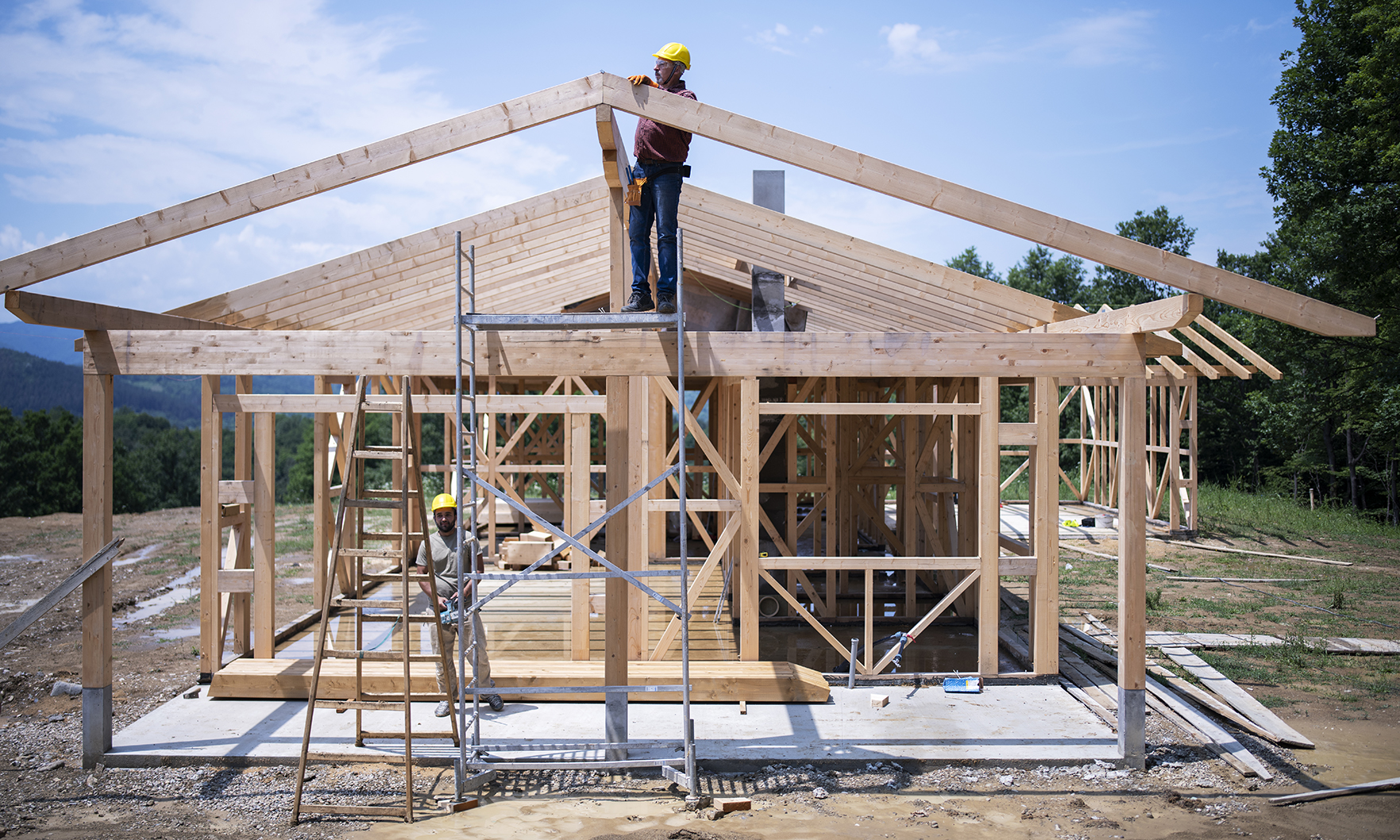
Privately owned housing units authorized by building permits in June came in at a seasonally adjusted annual rate of
1,598,000, down 5.1 % from the revised May rate of 1,683,000, but 23.3% above the year-ago rate of 1,296,000.
July’s reading of 80 was down one point from June, but still signaled strong demand for housing, the National Association of Home Builders said.
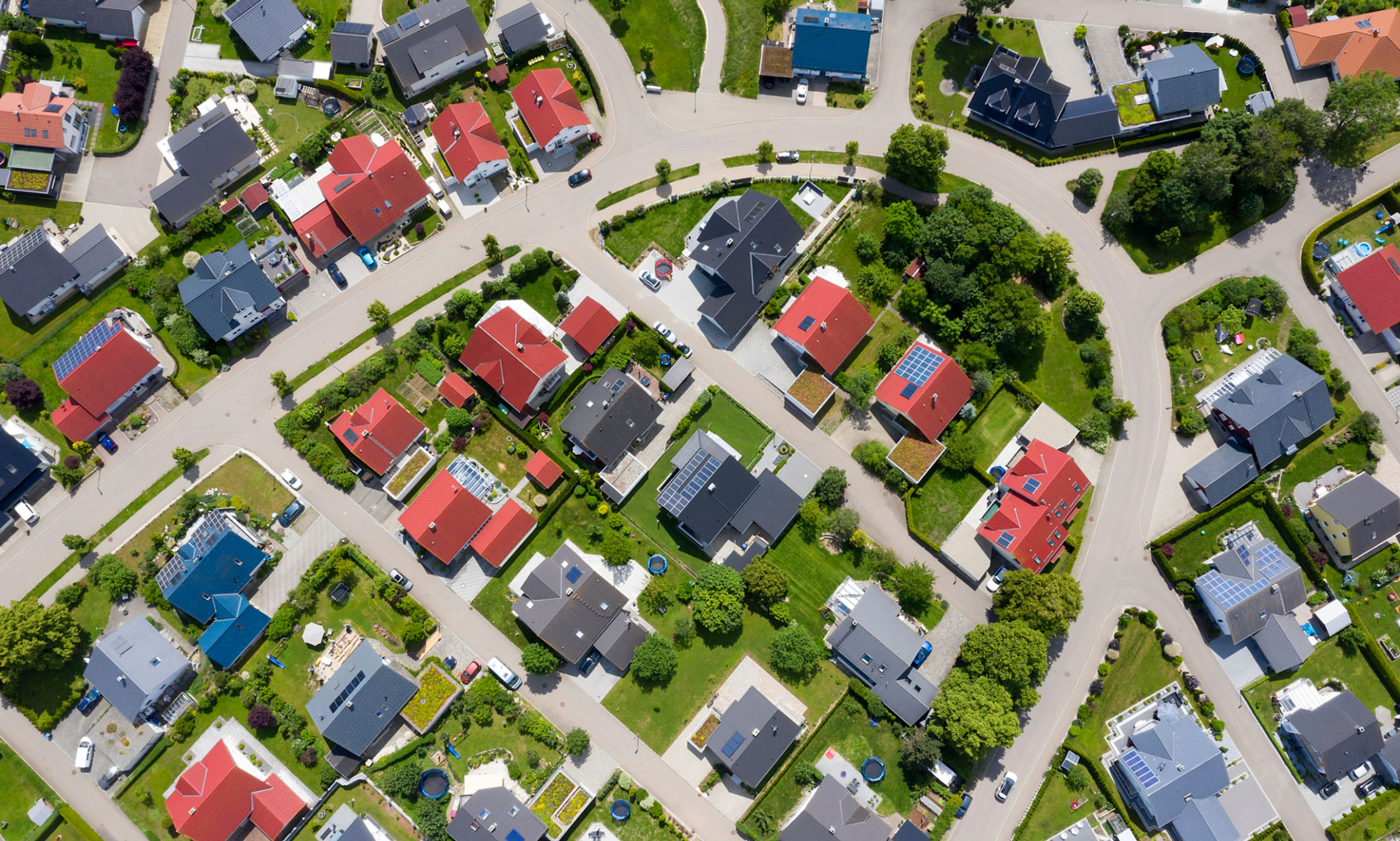
During the four-week period ended July 11, the average weekly share of homes for sale with a price drop passed 4% for the first time since September 2020.

Meanwhile, the Mortgage Bankers Association’s seasonally adjusted purchase index rose 8% from the previous week.

Adjectives reflecting the desire for privacy and physical isolation gained a place of prominence: “private,” “covered,” “quiet,” “separate” and “enclosed” were among the top 100 most-used description terms.
Two of the largest leaders in the real estate market are joining forces to form a new mortgage origination company.

The department determined that the settlement would not do enough to protect its ability to investigate other conduct by the association affecting competition in the real estate market.

Strong growth of single-family construction spending drove the increase, while spending on multifamily construction was flat, the National Association of Home Builders said.

In light of the increasing number of natural disasters in recent years, the foundation commemorated its 20th anniversary by launching Hope Rising, “a campaign designed to ensure the foundation can respond to disasters as quickly and effectively as possible.”

Denying a mortgage to a woman because she is on or plans to be on maternity leave is against the law, but some lenders are accused of doing just that.
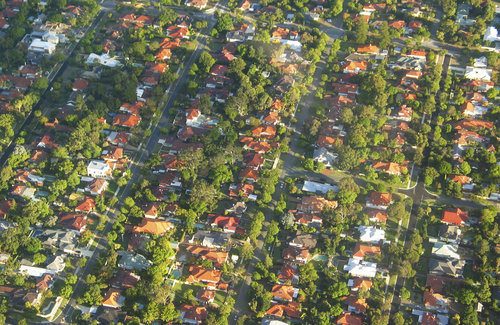
The shortage of housing in America is more “dire” than previously expected, and the NAR’s new report puts pressure on lawmakers to provide additional public funding and policy incentives to fix this massive underbuilding gap.
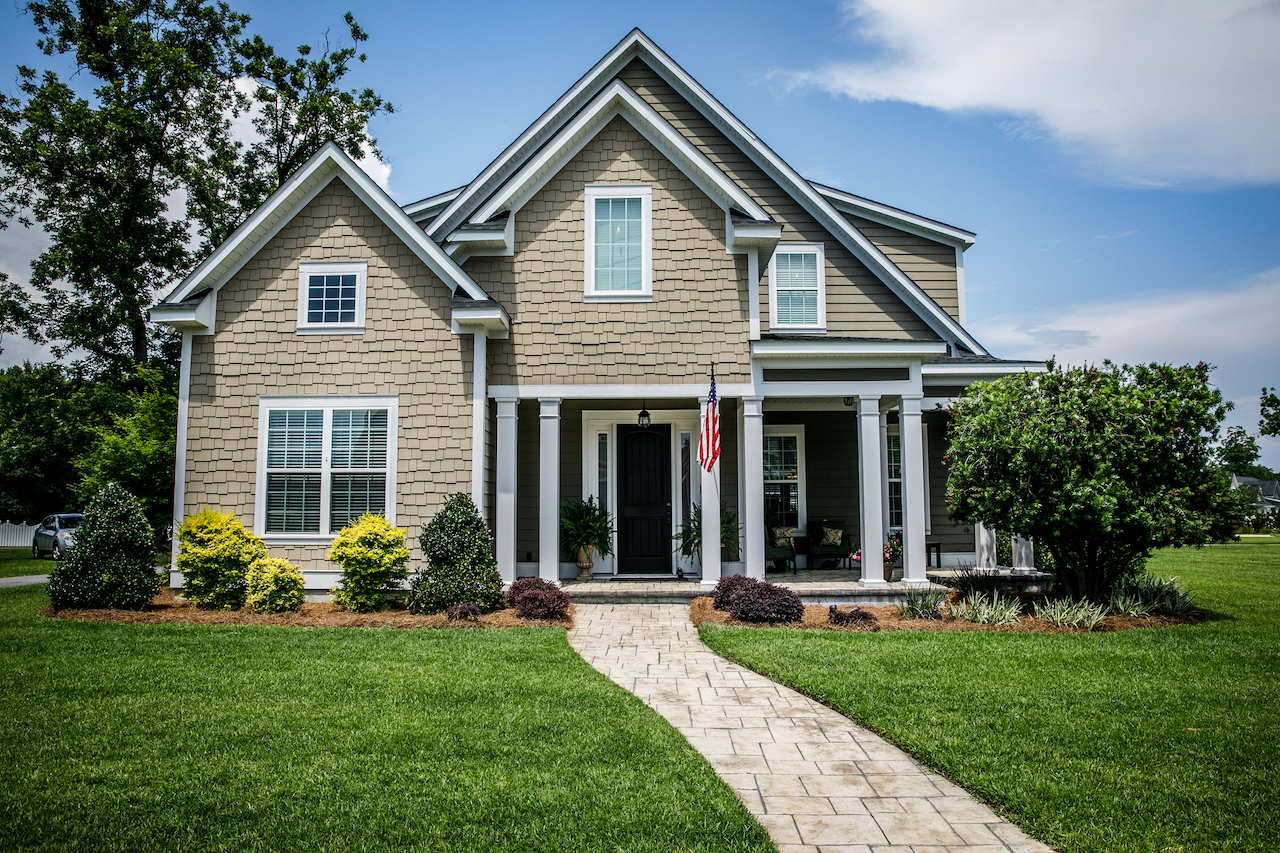
The median existing-home price for all housing types rose to $350,300 in May, marking another new record.
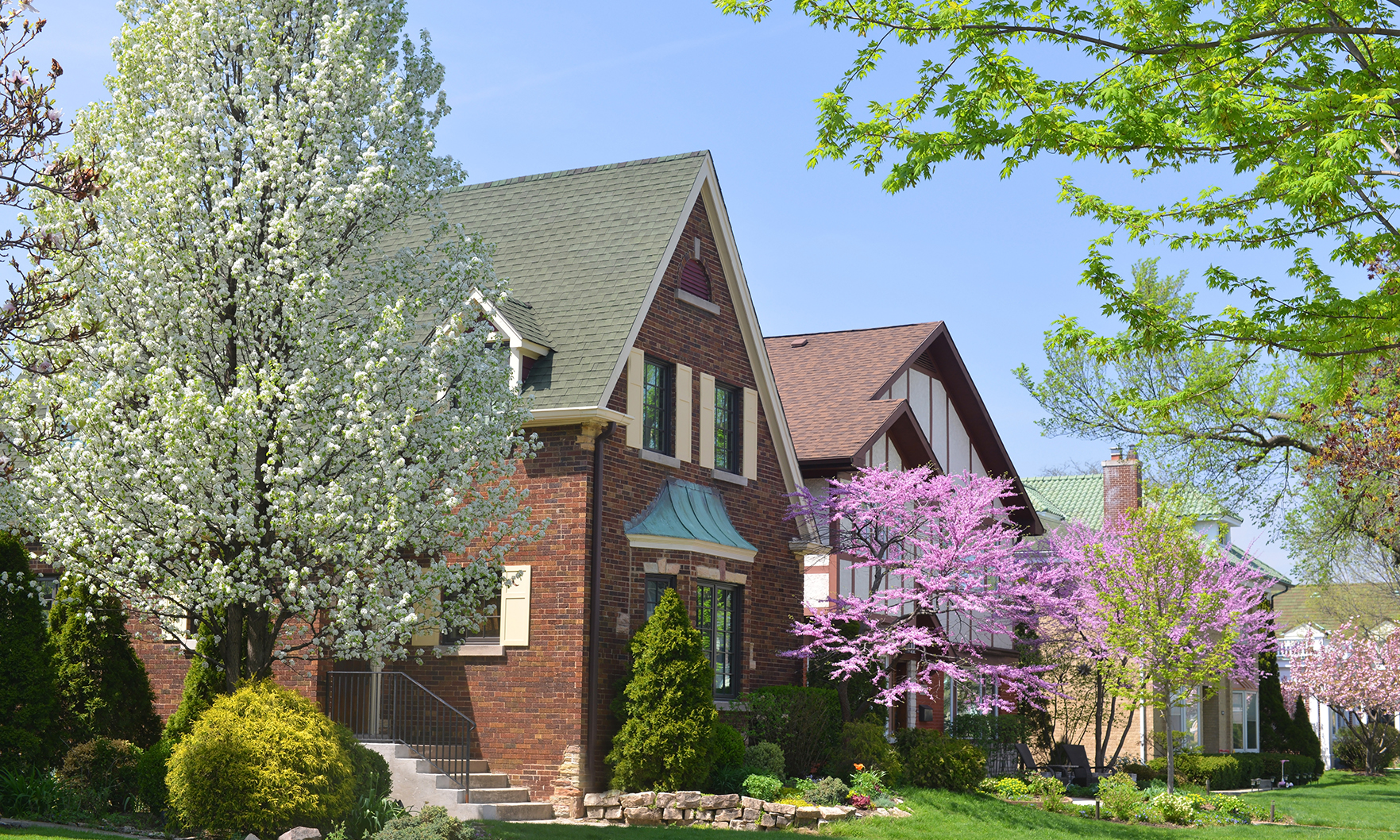
Market competition has eased up recently, but seven in 10 buyers still face bidding wars, according to a new report from Redfin.

On a year-over-year basis, new-home mortgage applications were down 5.9% in May, the Mortgage Bankers Association reported, citing its Builder Application Survey.
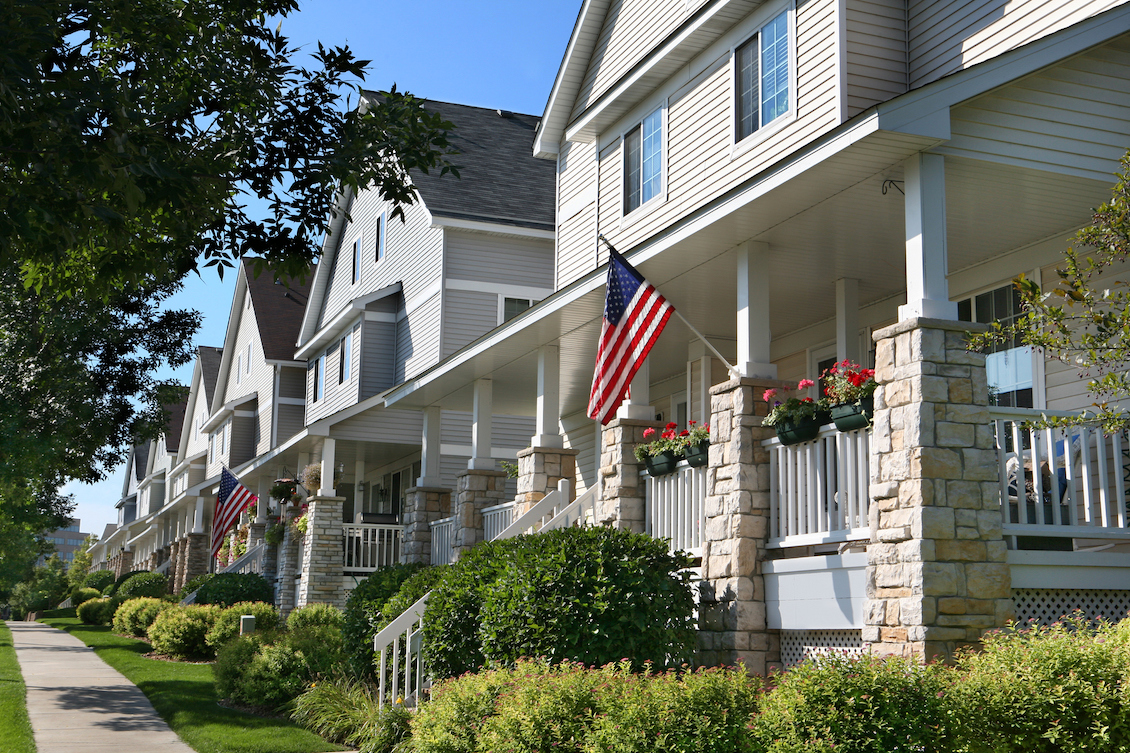
Although pending sales are up 29% from last year, they are starting to slow down, dropping 9.7% from their peak four weeks ago.

With high costs slowing construction and potentially lowering homeownership for many, easing zoning rules may be the most effective way to increase the supply of new housing.