
By the Numbers
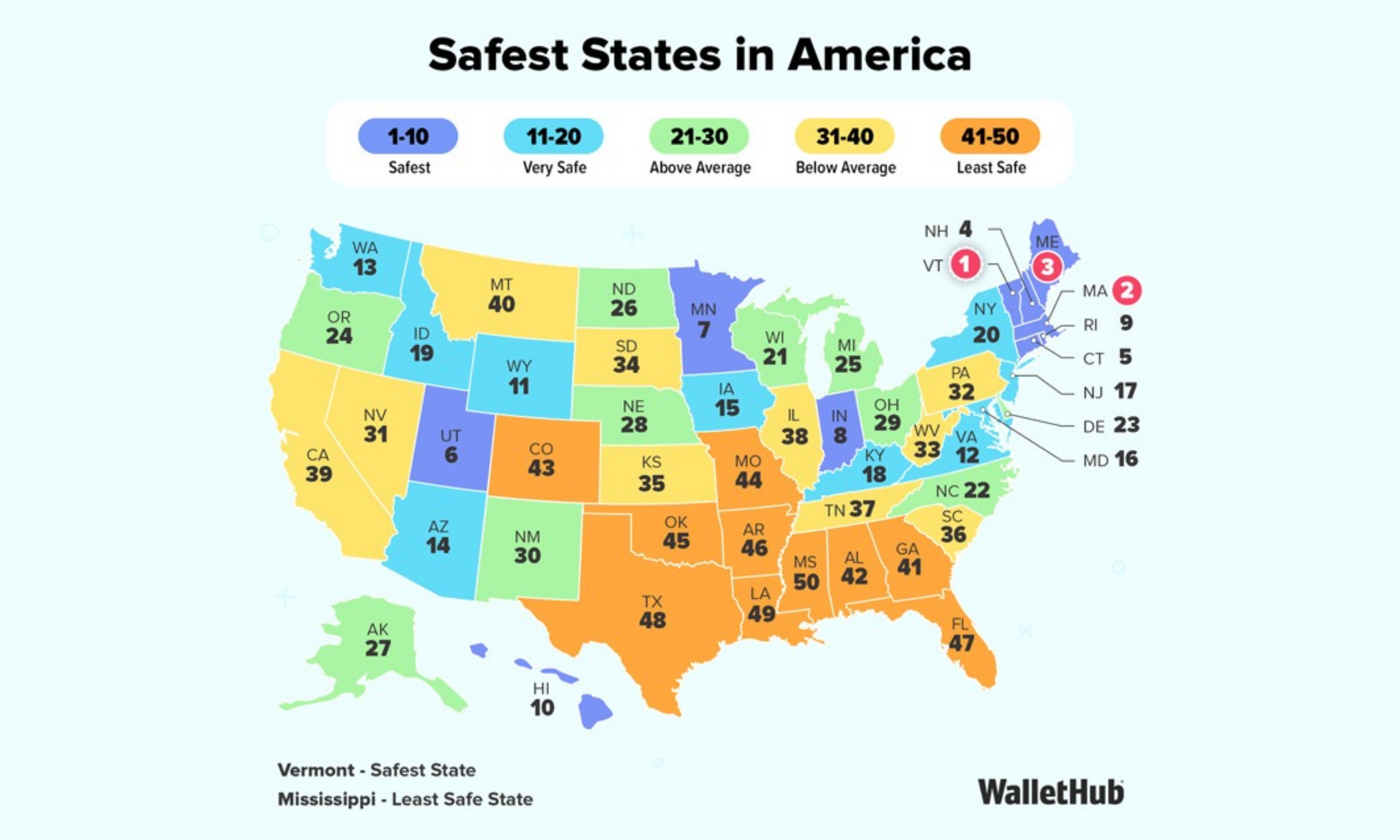
The Commonwealth’s financially secure residents, low crime rates and family-friendly atmosphere helped boost its ranking.

With low crime rates, positive health outcomes and financial security, the hidden gem offers residents quality of life in a quieter setting.

S&P Dow Jones noted that although prices rose almost 2%, in real terms, they were down, thanks to inflation, which registered 3.4% in July.

New-home inventory fell to its lowest level since December.

The month-over-month bump in contract signings was still below the pace of last August.

Since the Hispanic Wealth Project’s founding in 2014, Hispanic household wealth has more than tripled across the U.S.

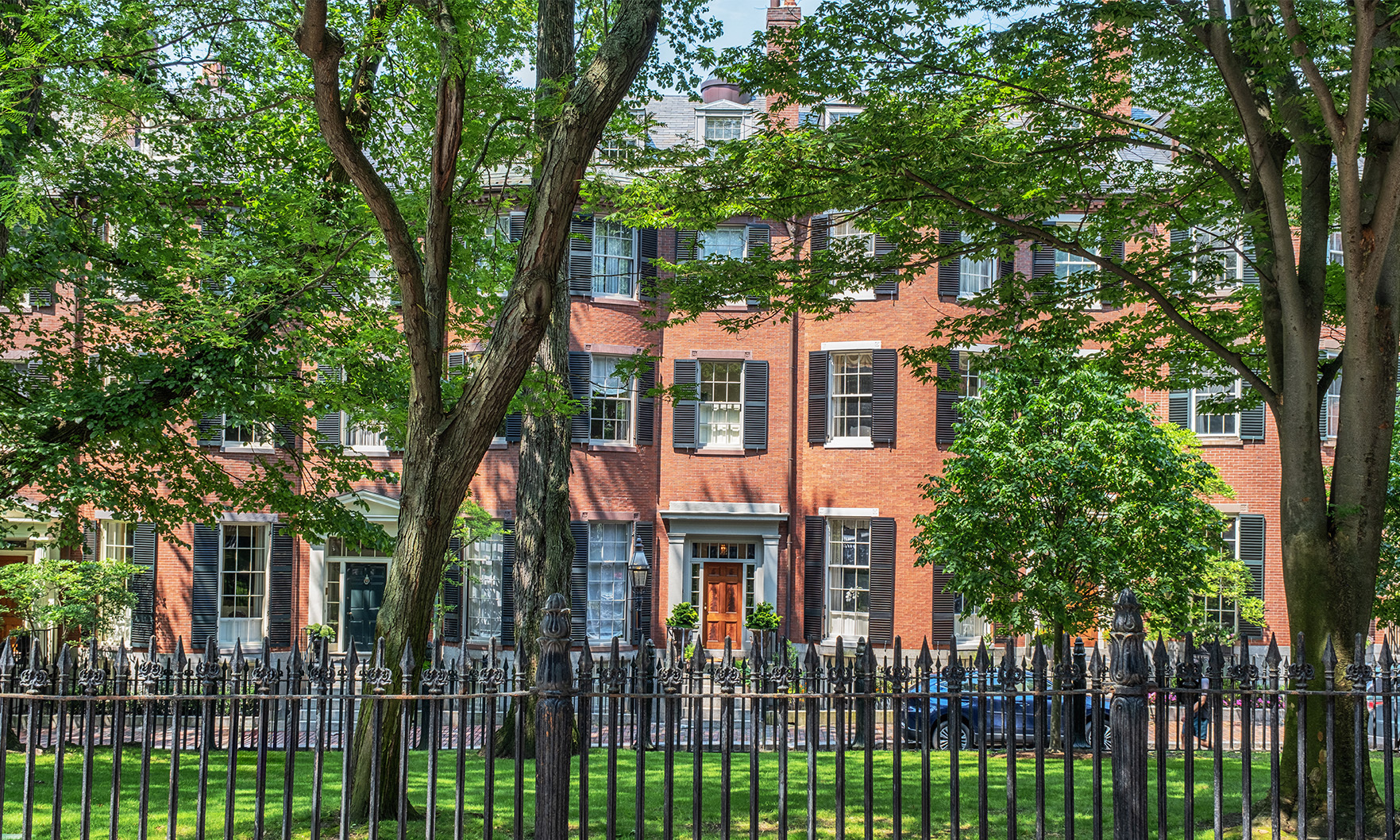
Many high schoolers in Boston have access to the training they need, thanks to strong public schools.

In Boston, buyers who wait until the last week of October to buy stand to see 20.9% more active listings.

At the same time, the median-sales price rose again, as months’ supply of homes for sale hit a 10-year high.

The increase in purchase activity offset a decrease in refinancings.

The typical new apartment in Boston averages just 747 square feet of space, according to new research.
The pace of home-price growth rose nationally but with significant regional differences.

Massachusetts’ strong performance in health and education boosted its score.
Between 2018 and 2023, the number of millennial homebuyers in Boston surged 75.7%.

Active buyers are looking for more expensive homes, while price-constrained buyers are looking at fewer homes altogether.

According to experts, the North Shore gem’s appeal lies in its approachable home prices and proximity to job opportunities.