
National News

After a Black real estate agent and his client were detained by police while viewing a house, the National Association of REALTORS® took a strong stance against the “deeply disturbing” incident of “racial profiling.”
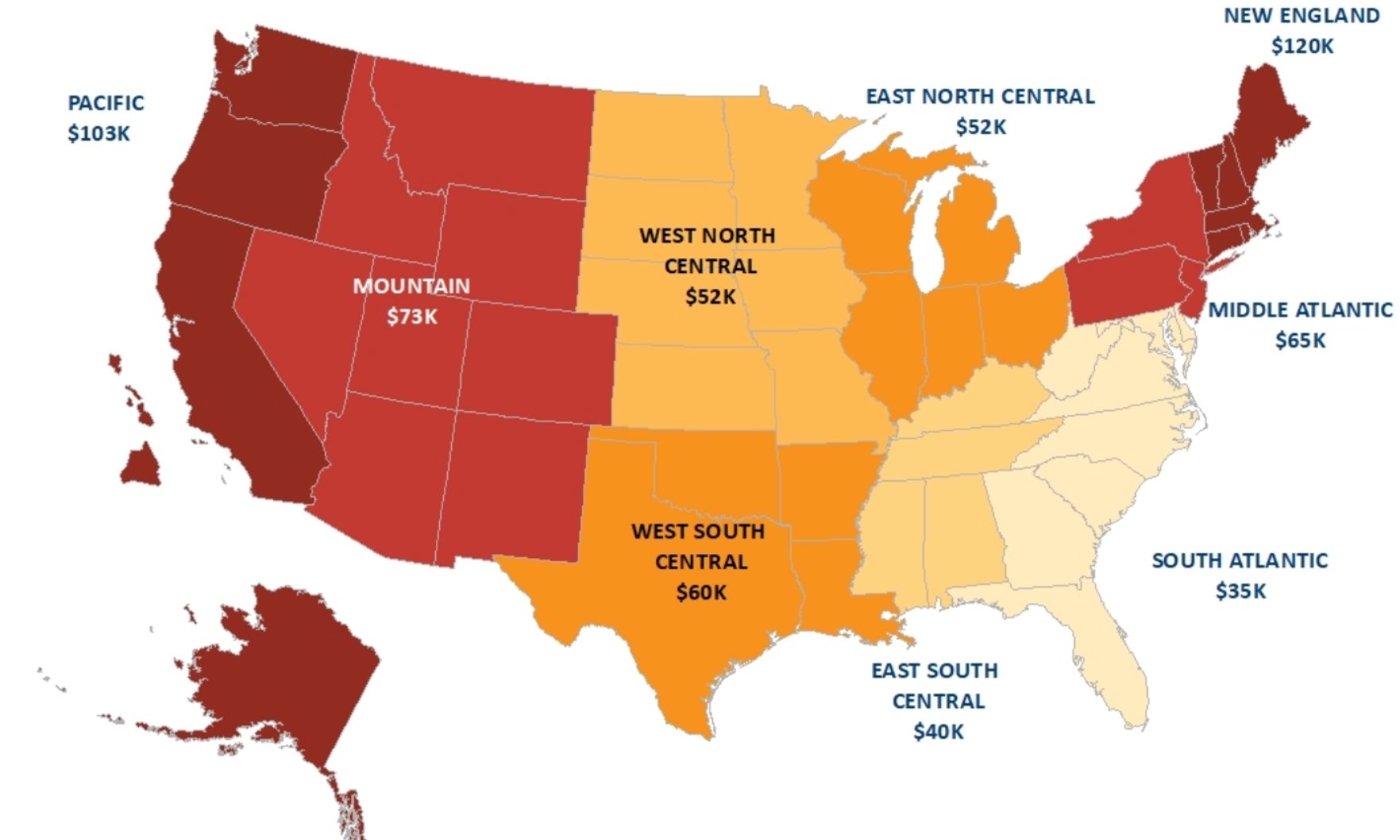
Lot values for single-family detached (SFD) spec homes are surging, according to a report from the National Association of Home Builders.
For the first time since early March, no new records were set for median-home-sale prices last month, ending the five-month streak of record-breaking home prices.
Just 56.6% of homes sold during the quarter were affordable to families earning the U.S. median income of $79,900, according to the National Association of Homebuilders/Wells Fargo Housing Opportunity Index.

Looking forward, 37% of the survey’s respondents expect drones to be the most-impactful technology over the next 24 months, followed by cyber security (34%), 5G (31%) and virtual reality (30%).

International buyers purchased 107,000 residential properties from April 2020 through March 2021, marking a 31% decline from the 154,000 residences bought the previous year.

Affordability declined in 49 of the 50 major markets according to the May 2021 First American Real House Price Index.
The U.S. Census Bureau and the Department of Housing and Urban Development reported that the median sales price slid to $361,800 from $380,700 in May.

At the same time, the median existing-home price for all housing types in May was up 23.4% on an annual basis, as every region in the country registered price increases.

Meanwhile, the seasonally adjusted purchase index declined 6% from the previous week, the Mortgage Bankers Association reported.
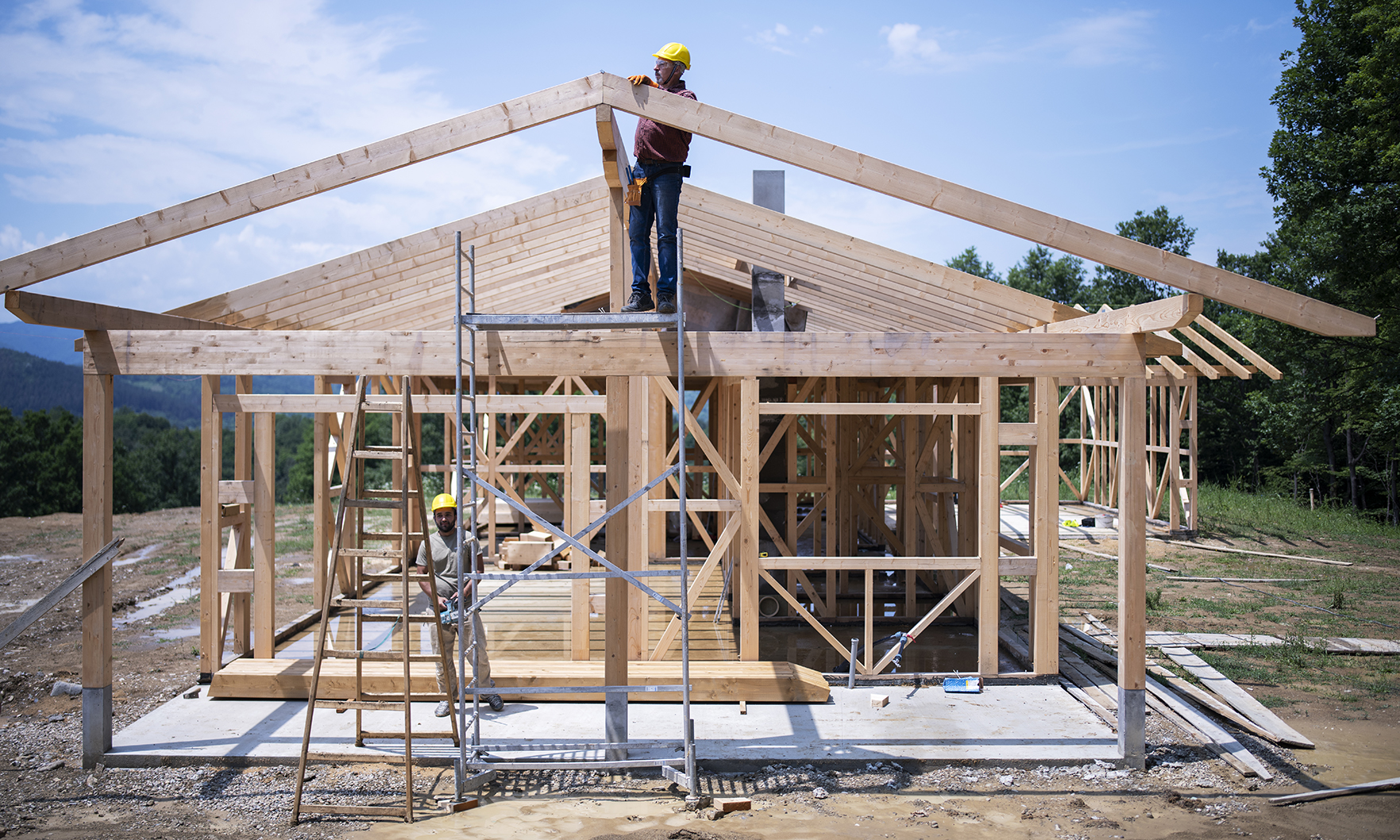
Privately owned housing units authorized by building permits in June came in at a seasonally adjusted annual rate of
1,598,000, down 5.1 % from the revised May rate of 1,683,000, but 23.3% above the year-ago rate of 1,296,000.
July’s reading of 80 was down one point from June, but still signaled strong demand for housing, the National Association of Home Builders said.
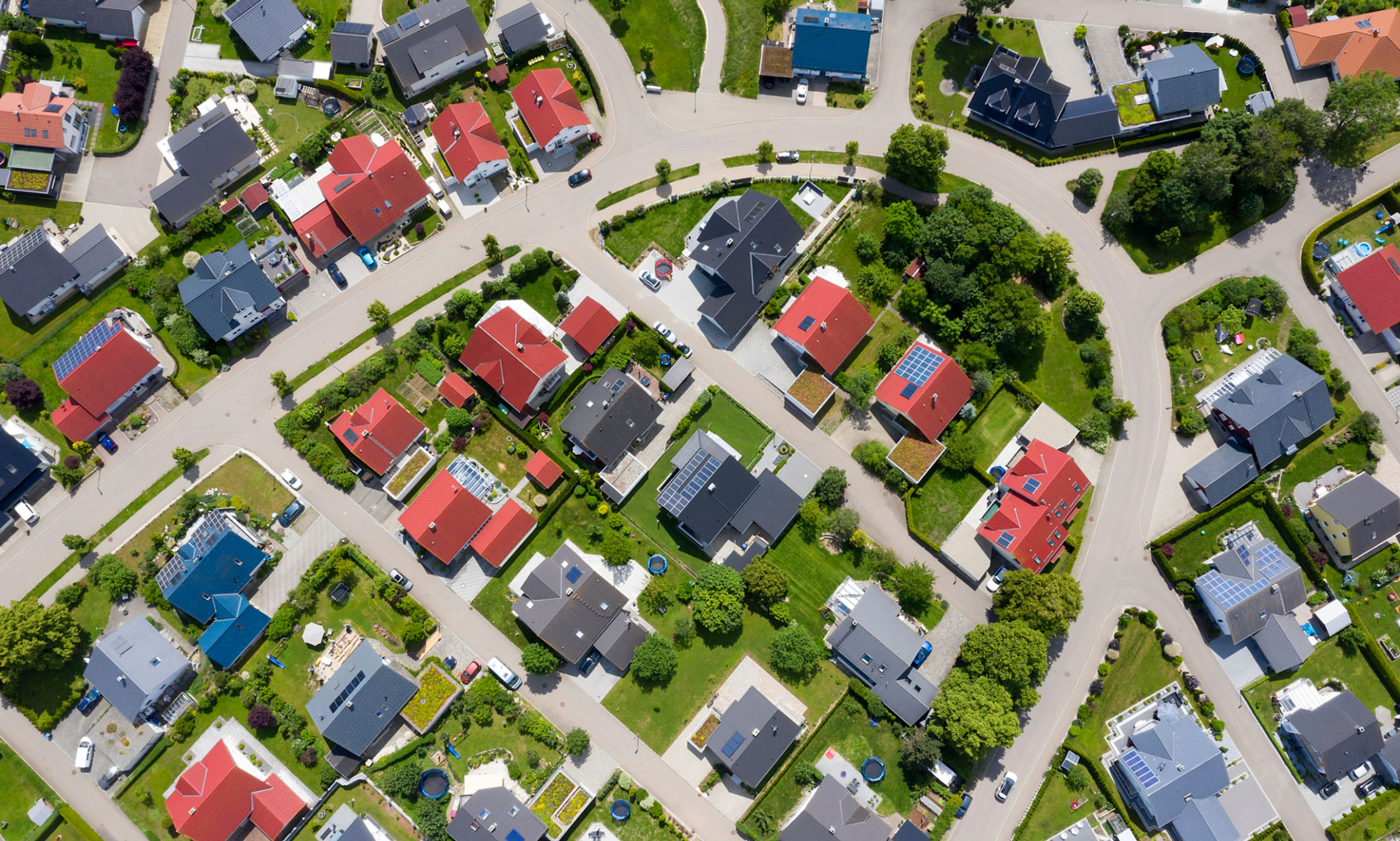
During the four-week period ended July 11, the average weekly share of homes for sale with a price drop passed 4% for the first time since September 2020.

Meanwhile, the Mortgage Bankers Association’s seasonally adjusted purchase index rose 8% from the previous week.

Adjectives reflecting the desire for privacy and physical isolation gained a place of prominence: “private,” “covered,” “quiet,” “separate” and “enclosed” were among the top 100 most-used description terms.
Two of the largest leaders in the real estate market are joining forces to form a new mortgage origination company.