
The Healey-Driscoll Administration today launched phase one of its statewide Accessory Dwelling Unit Incentive Program that provides education and support to homeowners considering adding an accessory dwelling unit to their property.
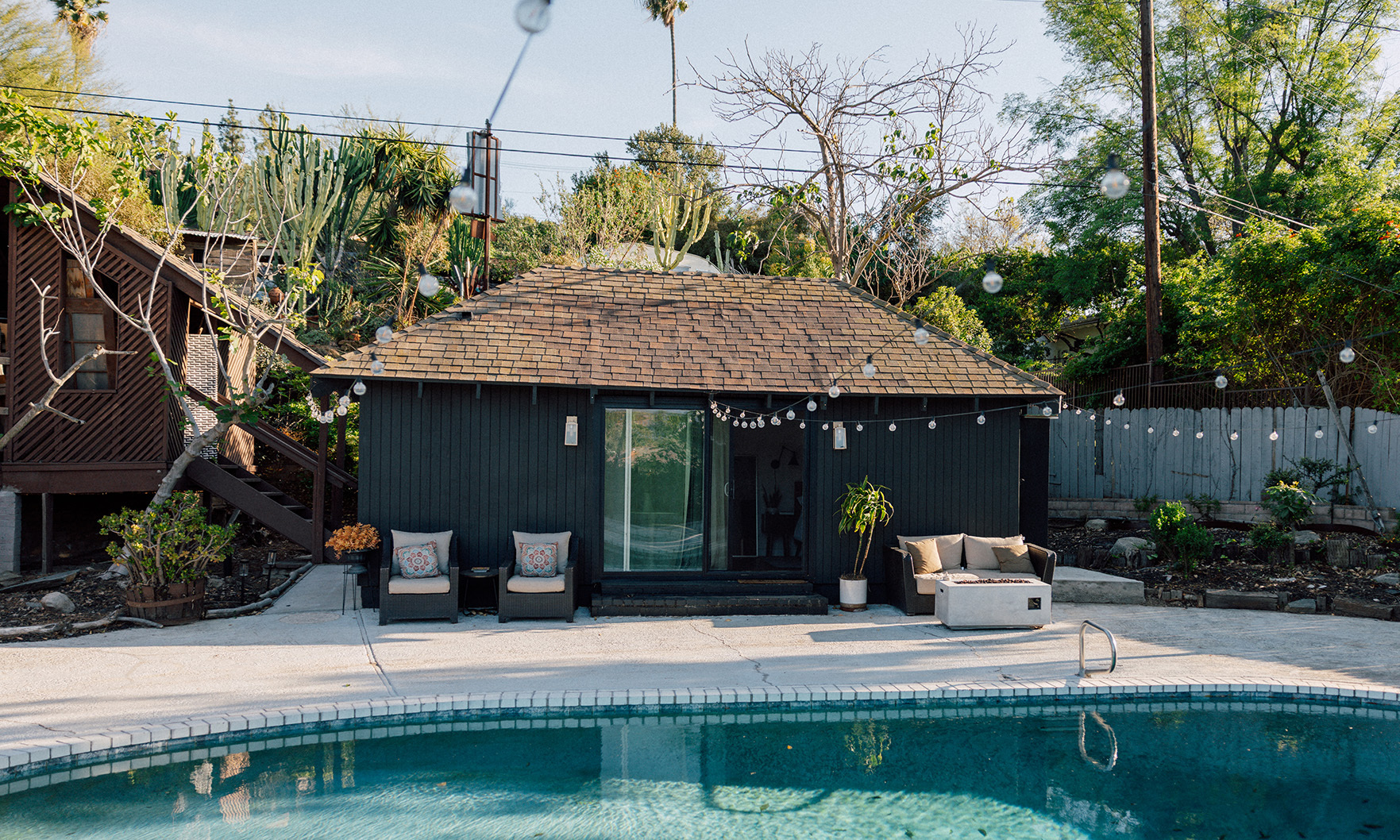
ADUs, which can take the form of in-law suites, tiny homes, converted basements or detached structures, expand residential capacity on existing properties. The units are often occupied by family members or caregivers but can also be used as rentals.
Phase one of the program will provide interested homeowners with feasibility studies concerning site conditions, local permitting requirements, utility needs, preliminary design options and high-level cost estimates. A partnership between the Massachusetts Housing Partnership and the Executive Office of Housing and Livable Communities will make these studies accessible.
“Homeowners are excited about ADUs, but many do not know where to start,” said Rachel Heller, executive director of the Massachusetts Housing Partnership. “A feasibility study gives a family an objective, professional assessment of what is possible on their property, what it may cost and what hurdles need to be addressed before they invest significant time and money. MHP is proud to partner with HLC to help close that gap and make ADUs a realistic option for more households across Massachusetts.”
The program’s goal is to create more residential options in Massachusetts’ constricted housing market.
“Massachusetts needs to build more homes, and ADUs are one of the fastest ways to create new housing in communities across our state,” said Gov. Maura Healey in a press release. “Our Affordable Homes Act made it easier to build ADUs, and we saw major interest from homeowners. Now we’re giving them the tools they need to turn an idea into reality, creating more housing options while helping families stay in the communities they love.”
So, how does a home owner take advantage of this opportunity? It would have been nice and useful to have a link to the application or web site.