
Trends
For data-driven stories, to appear under “Trends” menu

The Cape Cod & Islands Association of Realtors reports pending single-family home sales jumped 76% in June.

See how the Northeast did last month compared to the rest of the nation.

It’s still a seller’s market as buyers extend the spring shopping season into summer, according to Realtor.com chief economist Danielle Hale

Sellers getting back into the market are discovering a lot of activity and buyers, according to MAR President Kurt Thompson.

Inventory hits a record low in June, according to RE/MAX, which reports that nationwide the supply is now under two months.
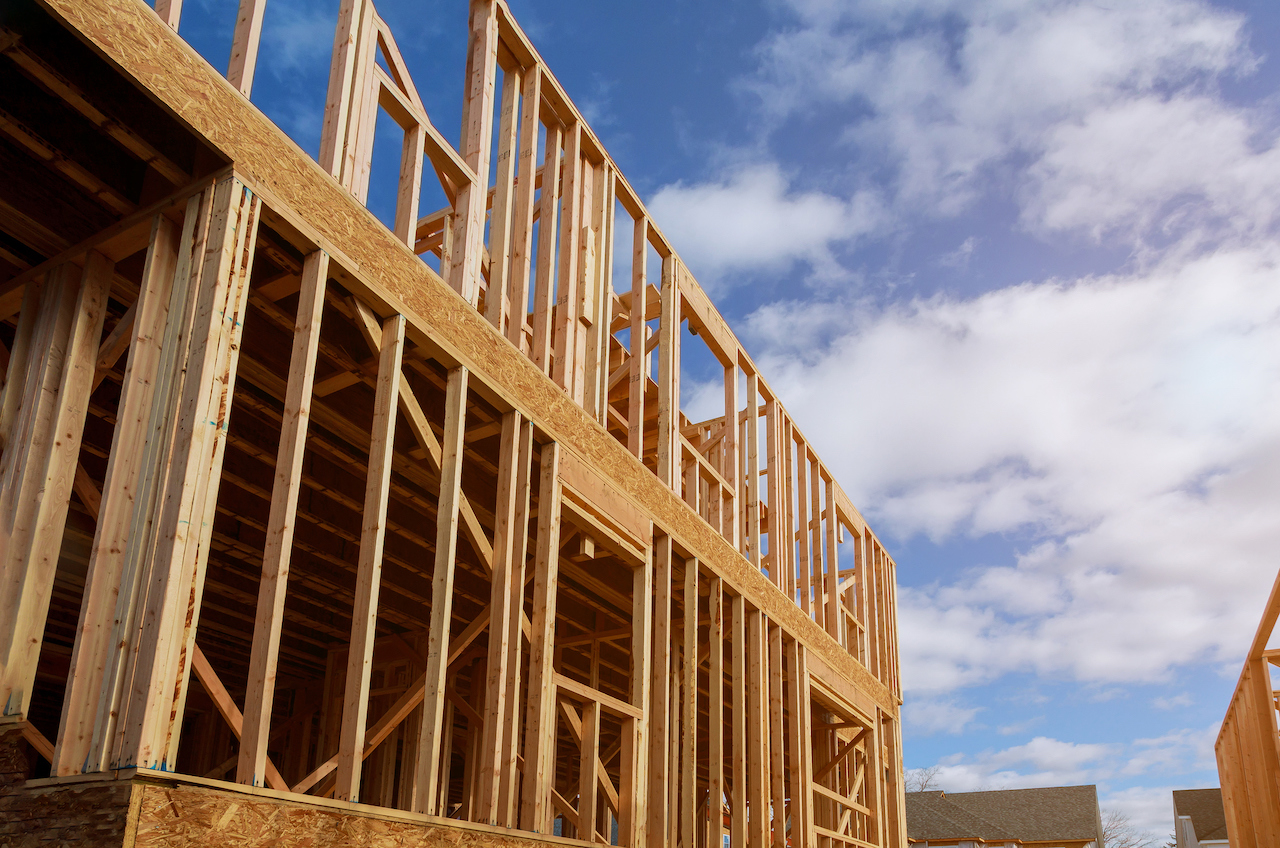
Housing starts are up and builders are building again, but is it enough to address pent-up demand for homes as Americans flee to the suburbs?

As the housing market recovers in fits and starts, the long-term outlook remains positive, thanks to a slow looming wave of millennial household formation.

Those who jumped into the market in the spring were rewarded, and their success could attract more sellers.

The National Association of Realtors is increasing its efforts to address discrimination and bias in the industry, following a Newsday investigation and nationwide protests.
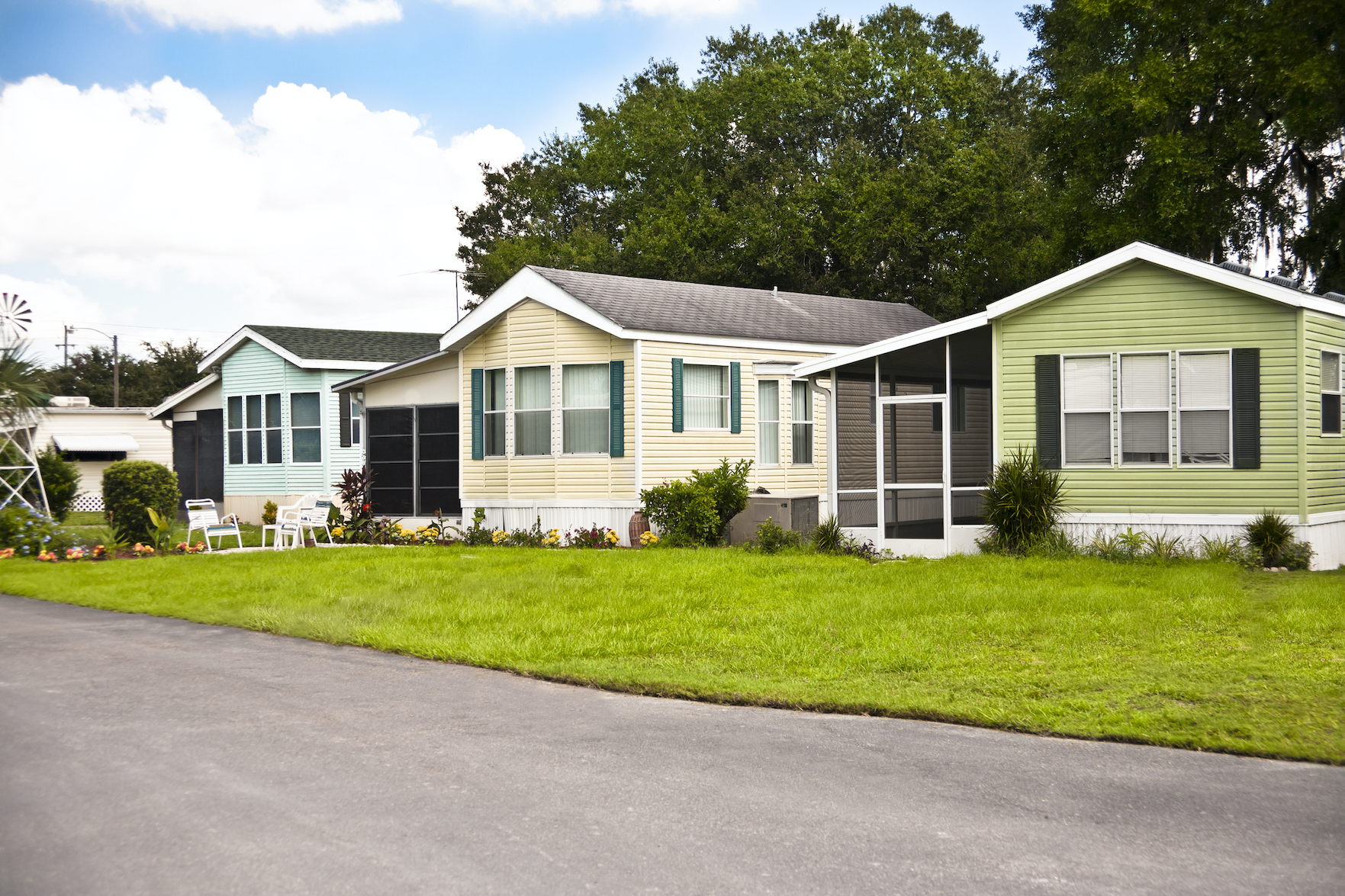
While prefabricated homes are six times less expensive than the average site-built home, trends in factory-built housing have always been volatile.

Nearly half of all agents report their business was growing in June, according to a new HomeLight report.

Nearly a third of NAR members told the association they’re prepared for a second wave of the novel coronavirus.

Zillow: Now could be a good time to trade up on luxury homes.
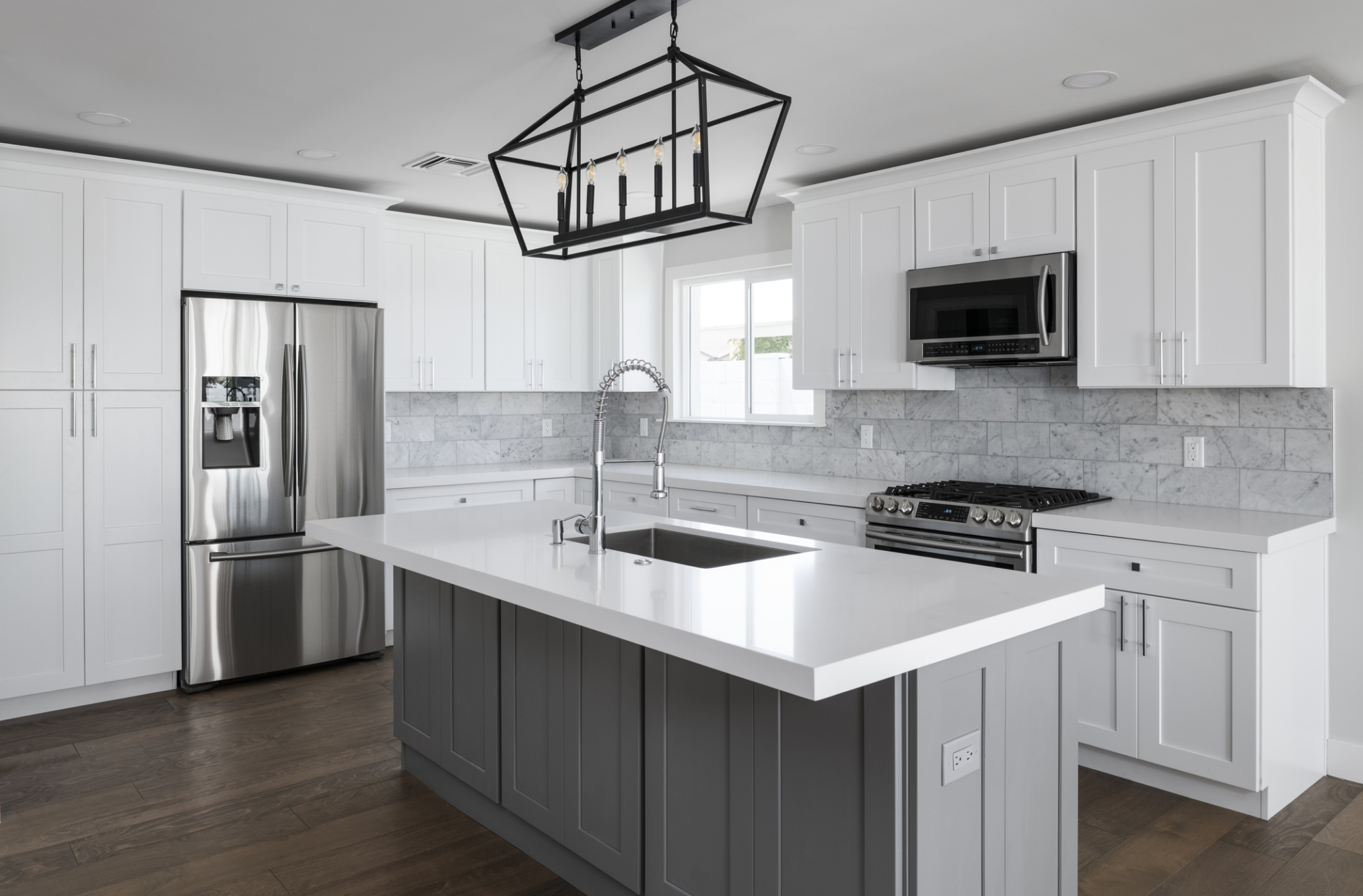
A new report reveals the improvements that homeowners and renters say add the most to the overall price of a home.

Closed sales are still down from last year, pushing the spring market into summer, according to Massachusetts Association of Realtors.

Although the single-digit decline from the previous month nationally is good news, home sales still lagged May of 2019 by 33.7%.