
Trends
For data-driven stories, to appear under “Trends” menu
Millennials are at the greatest risk of becoming house-rich and cash-poor as the generation is spending the highest percentage of their monthly income on homeownership costs compared to other generations, according to a new Hometap report.

According to a new survey, More than 40% of employed Americans are willing to take a pay cut or accept a new job with a lower salary to move to a more affordable location.

The decline in mortgage rates prompted an uptick in refinancing, with government refinances increasing more than 20% over the week, MBA associate vice president of economic and industry forecasting Joel Kan said in a press release.
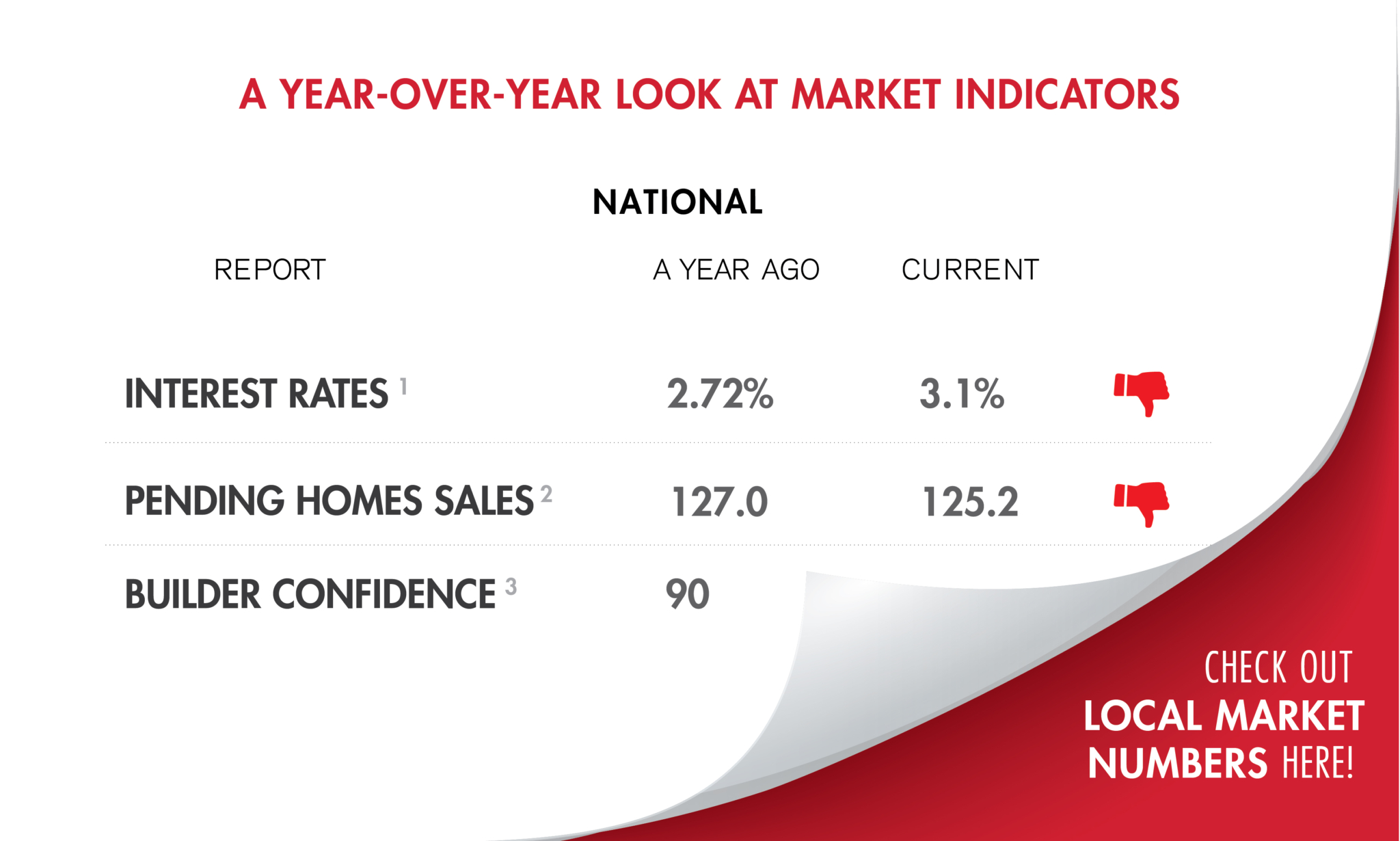
At the same time, days on market fell to 26 from 31 as housing starts grew

As more money is being spent on real estate than ever before, the booming market is on pace to shatter records this year, according to a recent CoreLogic report.

The Federal Housing Finance Agency (FHFA) recently announced its 2022 conforming loan limits (CLL) for conventional loans acquired by Fannie Mae and Freddie Mac.

“Despite higher mortgage rates, purchase applications had a strong week, mostly driven by a 6% increase in conventional loan applications.” — MBA associate vice president of economic and industry forecasting Joel Kan
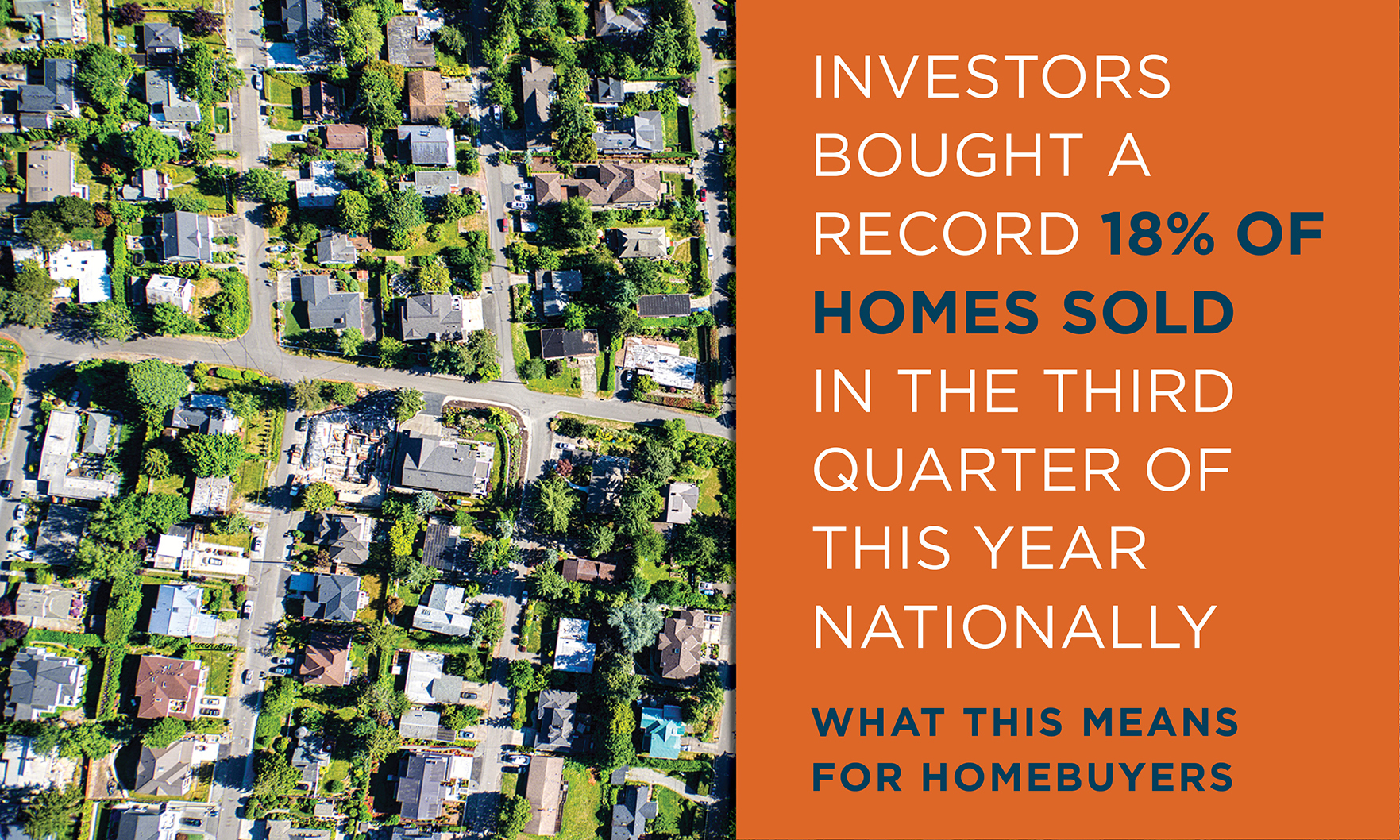
Investors across the country are looking to cash in on skyrocketing house prices and rents, putting them in competition with new buyers trying to work their way to homeownership.

The home remodeling platform Houzz has compiled their 2022 trend forecast: a list of 10 interior design predictions.
“If I had to choose only one word to describe September 2021’s housing price data, the word would be ‘deceleration. Housing prices continued to show remarkable strength in September, though the pace of price increases declined slightly.” — S&P DJI managing director Craig Lazzara.
“Motivated by fast-rising rents and the anticipated increase in mortgage rates, consumers that are on strong financial footing are signing contracts to purchase a home sooner rather than later.” — NAR chief economist Lawrence Yun
While the housing market may be hotter than usual, the shift toward seasonal norms is starting to show and could benefit both buyers and renters.
The seasonally adjusted estimate of new houses for sale at the end of September was 389,000, representing a supply of 6.3 months at the current sales rate, the U.S. Census Bureau and the U.S. Department of Housing and Urban Development reported.

As the economy recovers from COVID and the housing market gains traction, homeownership is top of mind for Americans, according to the latest survey from Coldwell Banker Real Estate LLC.
The U.S. housing market kept firing on all cylinders, as the demand for residential real estate drove prices higher for the 116th month in a row, marking the longest streak on record.
It’s been a crazy year for real estate with bidding wars, record home prices and historically low inventory, but that may all come to an end in 2022.