
Trends
For data-driven stories, to appear under “Trends” menu
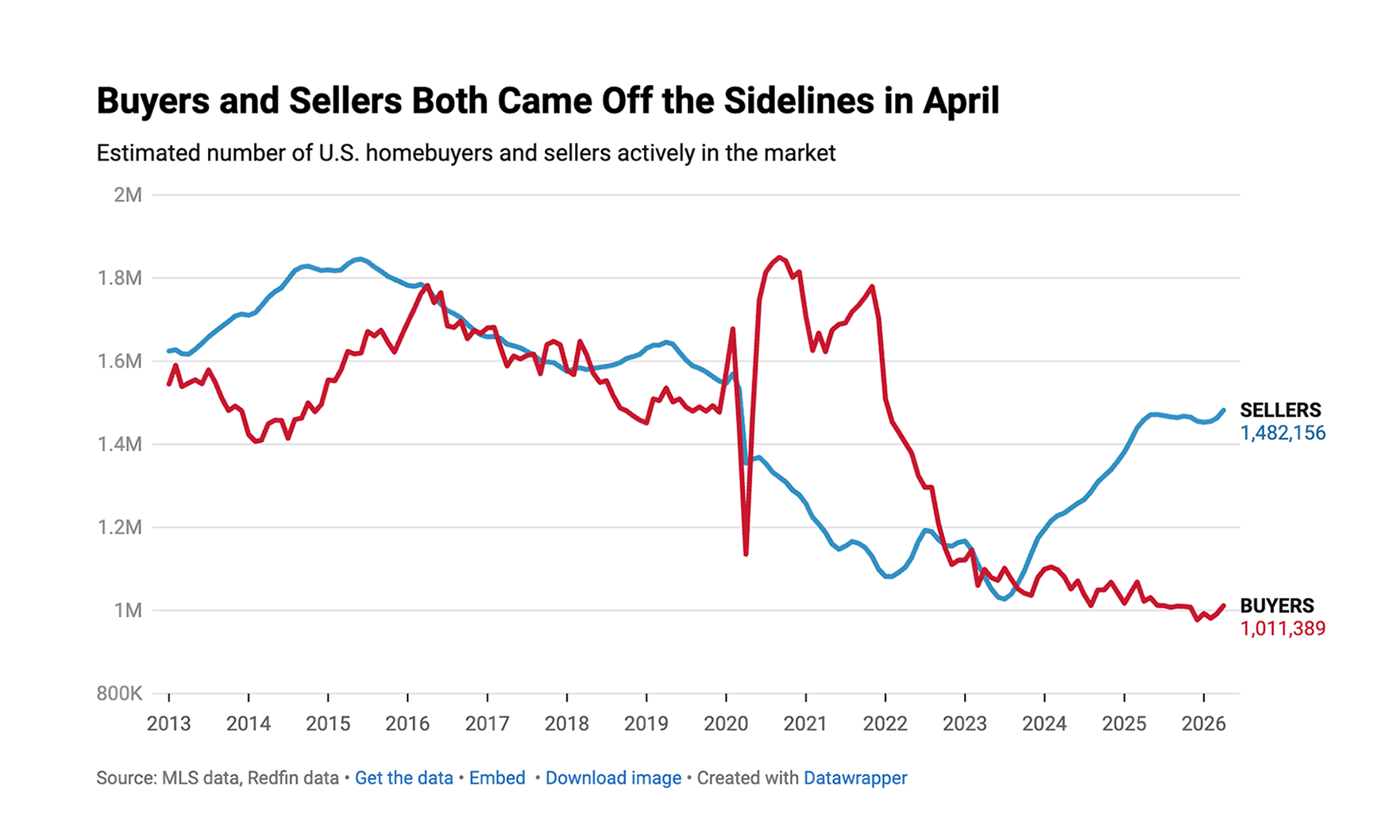
Redfin reports there were about 46.5% more sellers than buyers in April 2026, down from 47.5% in March and 48.9% in December 2025.

Houzz compared first quarter user activity to year-ago levels to determine the emerging home trends for summer 2026. Here’s what they found.
Despite a monthly decline, the rate of new-home construction still came in above consensus estimates.
Among the top 50 metro areas, Boston and Miami led the pack.

With diploma in hand, many young college graduates are eager to find a metro where they can live, work and thrive.
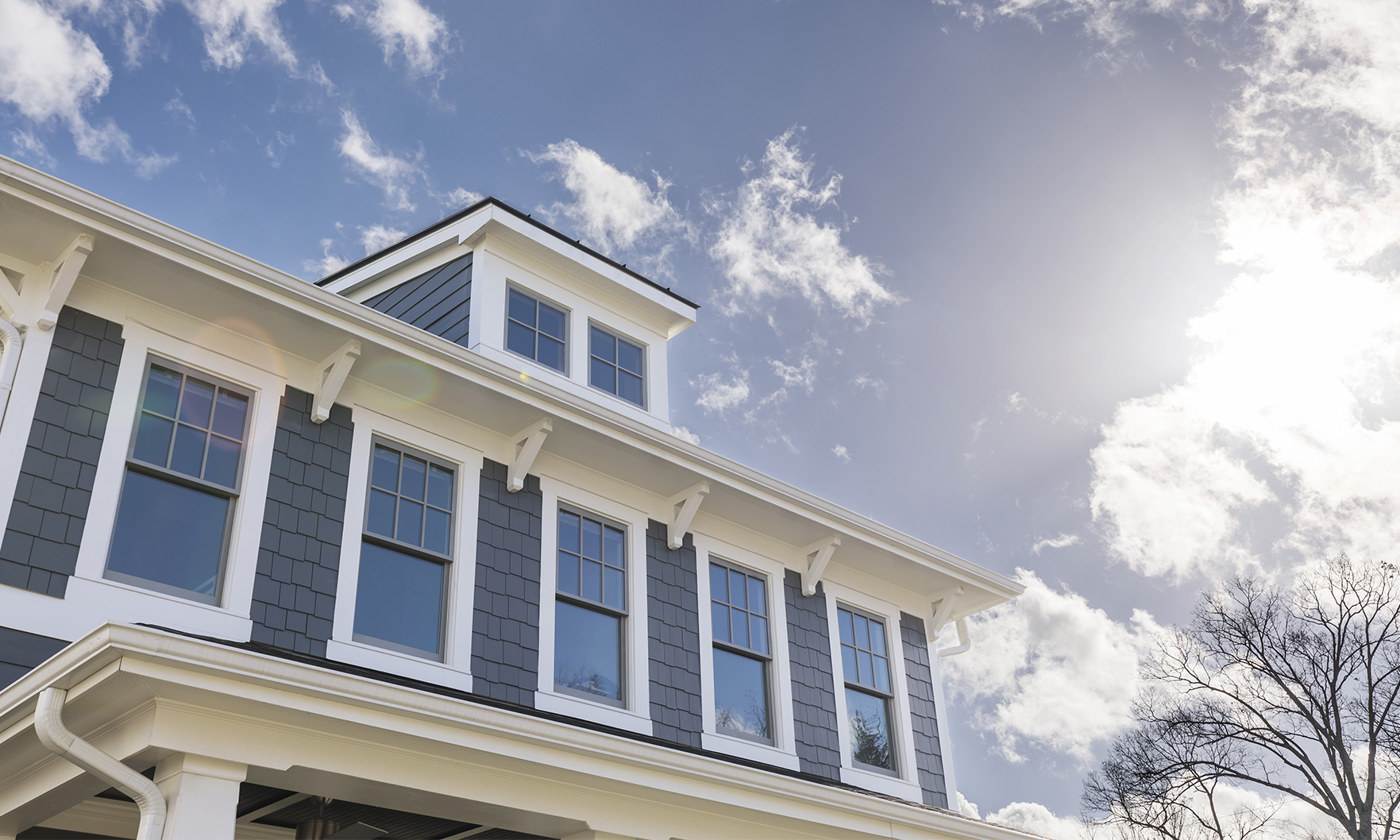
Americans are prioritizing sunlight in their home search, with 44% saying they would choose a smaller home with more sunlight over a larger home with less sunlight, according to a Redfin report.
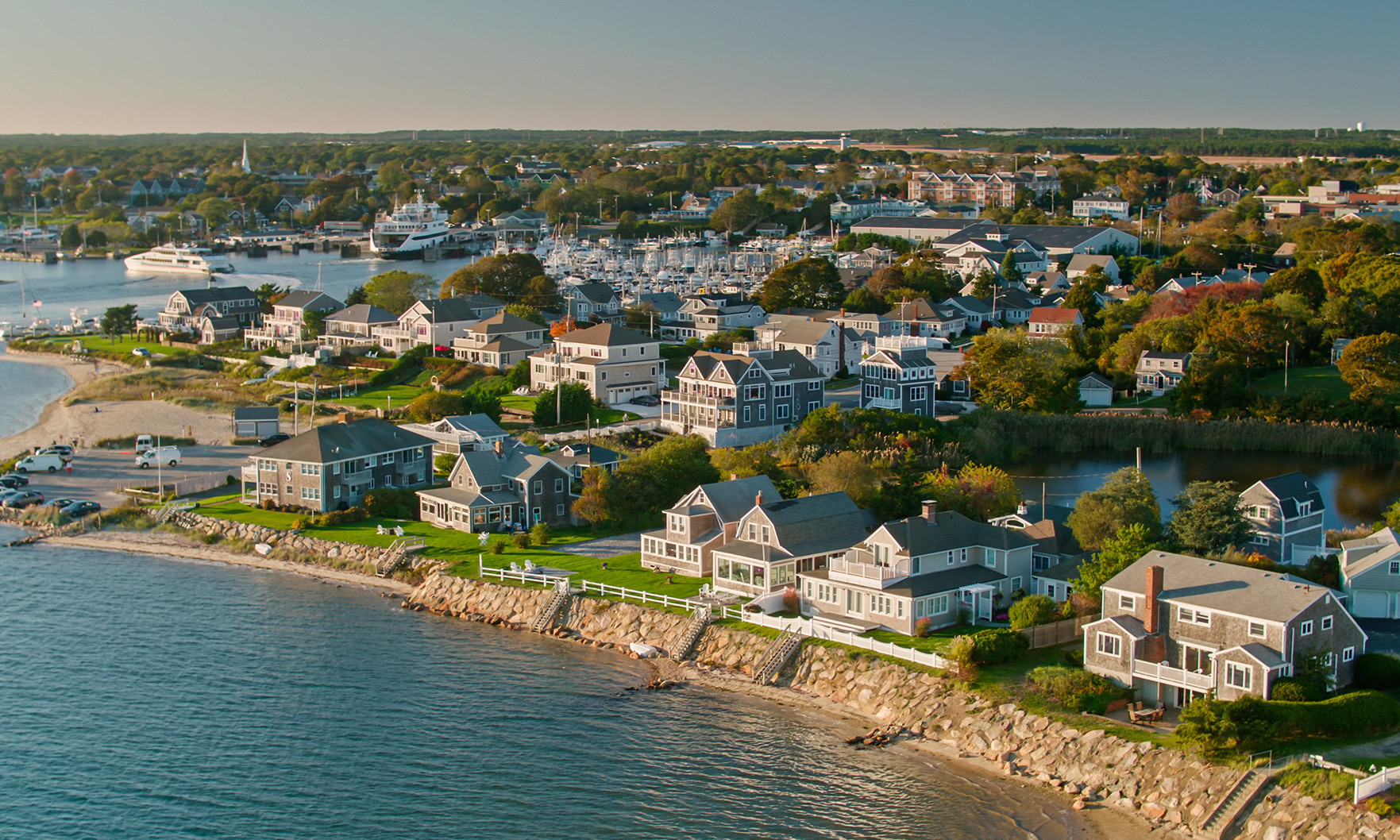
Affordability remains prohibitive for many prospective Cape Cod and Nantucket residents, according to the study.
The median-existing sales price for all housing types rose 0.9% year over year to $417,700, its 34th consecutive increase.

The organization interviewed 600 Greater Boston residents between the ages of 20 to 30, finding that over a quarter were planning an exit — a result they call “distressing.”
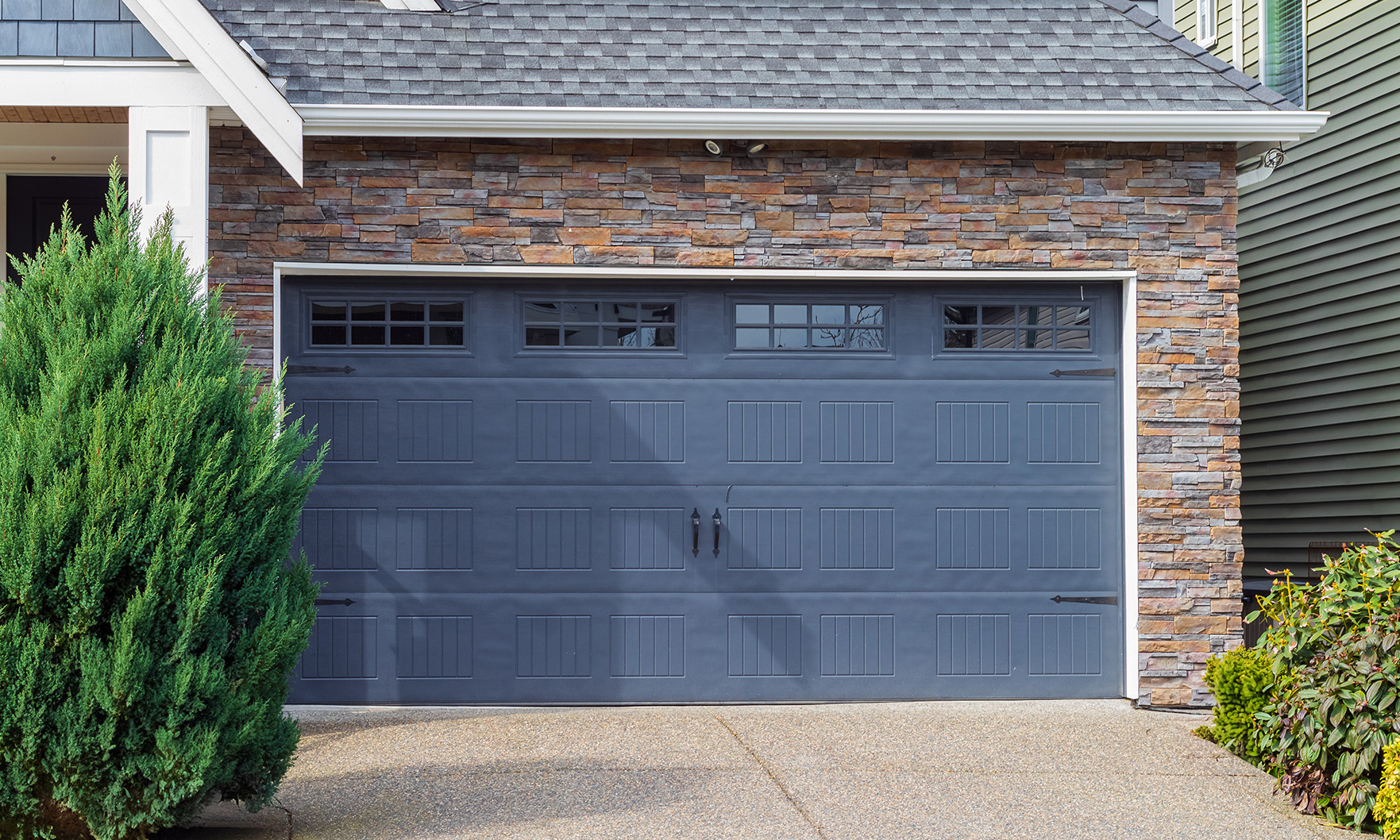
The median sales price for a Boston home jumped from $2,730,000 to $3,150,000 with a simple addition: a garage.

Luxury spaces that focus on well-being, comfort and personal meaning are shaping everything in the home, from material selection and layout to color, light and more.
Nationally, home sales in the 50 metro areas surveyed by REMAX posted their largest monthly gain in three years, increasing 31.6%.
The 2026 spring housing market is neither surging nor stalled, but moving forward as both buyers and sellers adjust their expectations.

Short answer: Yes. But not quite in the way mom and dad did it, according to a survey of over 2,000 American renters and would-be homeowners.
S&P Dow Jones Indices noted that inflation outpaced national home-price appreciation for the ninth month in a row.
CCIAOR noted high demand for homes priced below $1 million. Listings priced below $999,999 averaged just 34.4 median days on market.