
Current Market Data
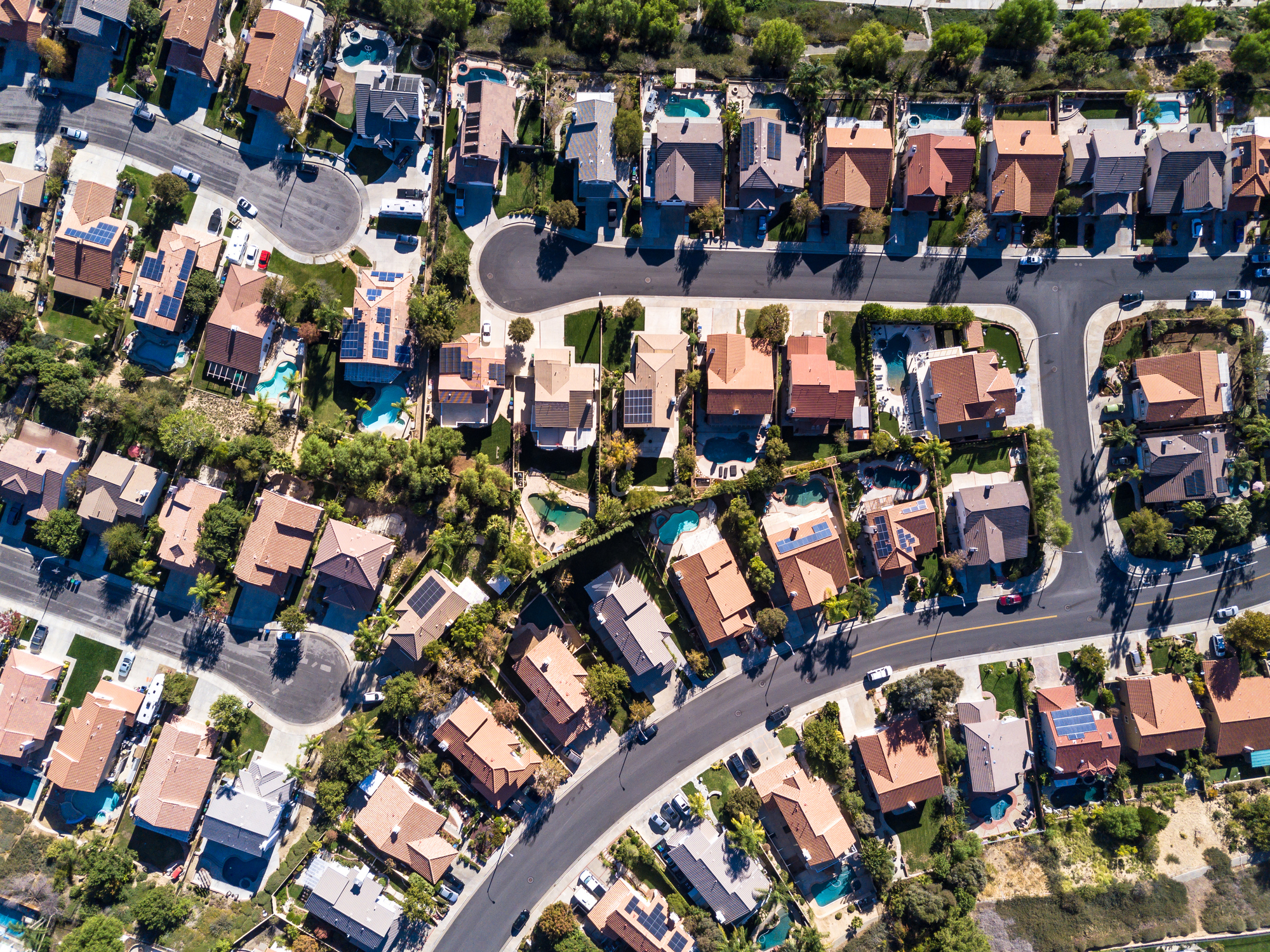
A decline in new home listings has had little impact on the market as far as demand is concerned, according to a recent Redfin report.

Income levels and mortgage rates gave homebuyers in June 129% more house-buying power than they had in 2006, according to First American Financial Corp.’s June Real House Price Index.

Income levels and mortgage rates gave homebuyers in June 129% more house-buying power than they had in 2006, according to First American Financial Corp.’s June Real House Price Index.
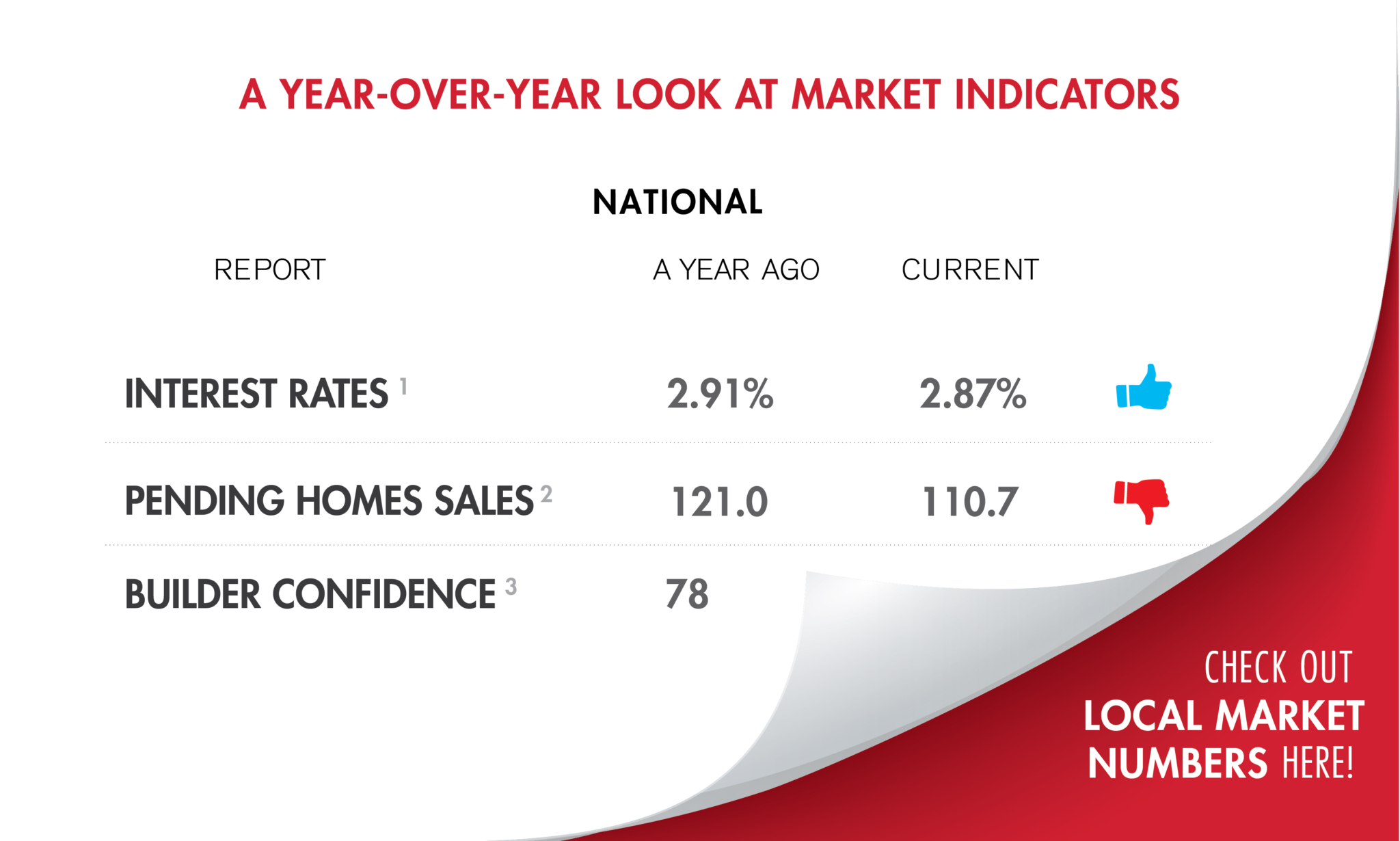
Housing inventory fell in Boston during August, while housing starts and existing-home sales rose.

The Cape Cod real estate market is showing signs of returning to normal, according to a new report from the Cape Cod & Islands Association of Realtors.

Massachusetts homebuyers should brace themselves amid expectations the residential real estate market could see double digit growth next year.

Even as the real estate market is showing signs of cooling and more sellers are dropping asking prices, median home prices increased by double digits from last year.

Real estate inventory in the Bay State continues to be a challenge for buyers looking for single-family homes as well as condominiums.
Also during the month, the median sales price rose to $390,500 from $370,200 in June, according to the U.S. Census Bureau and the Department of Housing and Urban Development.

“Much of the home-sales growth is still occurring in the upper-end markets, while the mid- to lower-tier areas aren’t seeing as much growth because there are still too few starter-homes available.” — NAR chief economist Lawrence Yun

In what’s been a historic, frantic market, homes selling for large sums over list prices have risen sharply since January.

Sales activity in Massachusetts’ single-family housing market fell in July, even as the median sales price remained over $500,000.

You might be surprised by the results of this survey.
“The bright spot in an otherwise underwhelming report comes from the increase in the overall number of permits issued, which can signal how much home construction is in the pipeline.” — First American deputy chief economist Odeta Kushi
Single-family and condo sales both grew month over month, but also saw decreases in volume as the market shows signs of relaxing.
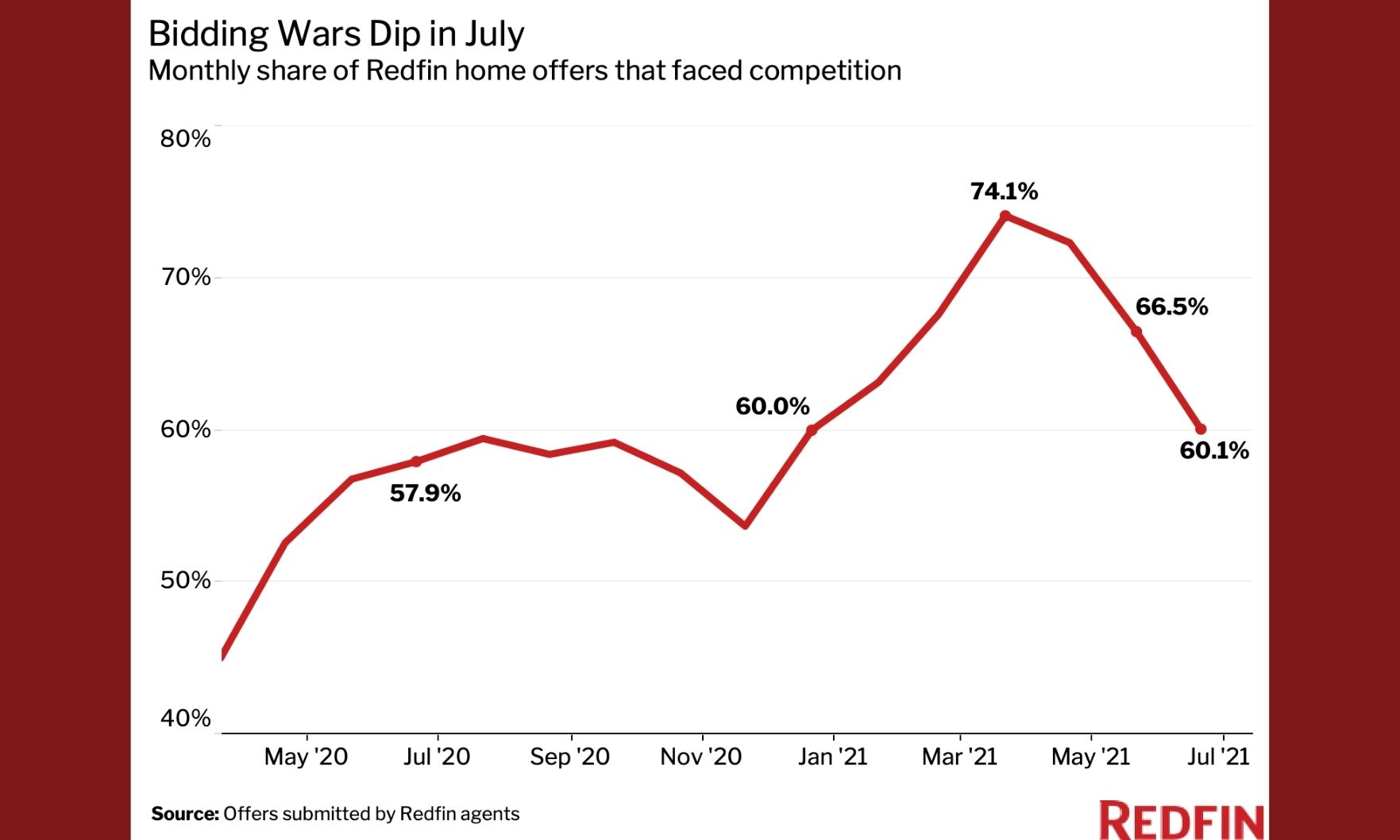
Following months of sky-high prices paired with manic competition — driven by limited supply — the frenetic housing market is starting to cool down. Somewhat.