
Current Market Data
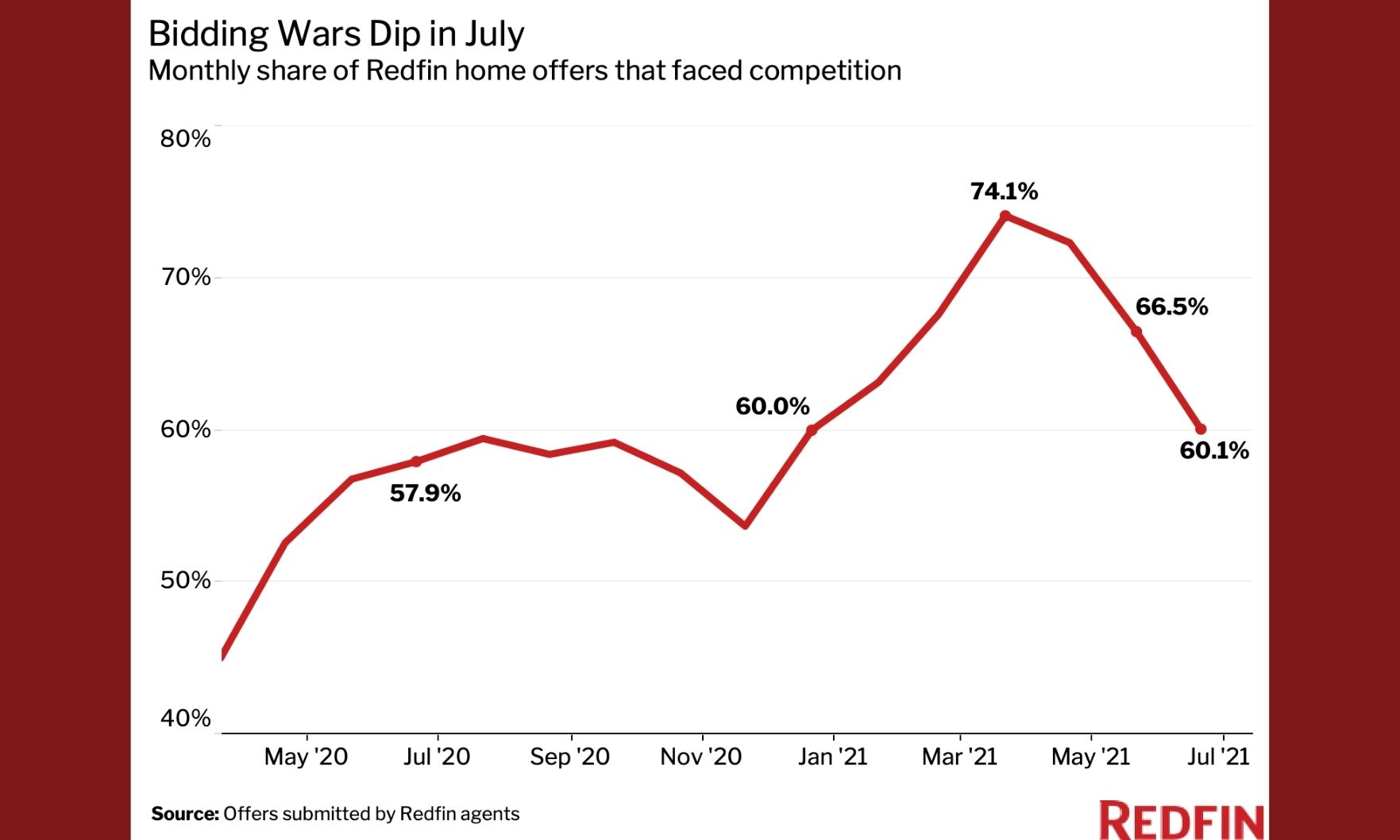
Following months of sky-high prices paired with manic competition — driven by limited supply — the frenetic housing market is starting to cool down. Somewhat.
Smaller, more affordable homes are hitting the market, helping moderate median list prices, according to Realtor.com.

For the first time since early March, no new records were set for median-home-sale prices last month, ending the five-month streak of record-breaking home prices.
Just 56.6% of homes sold during the quarter were affordable to families earning the U.S. median income of $79,900, according to the National Association of Homebuilders/Wells Fargo Housing Opportunity Index.
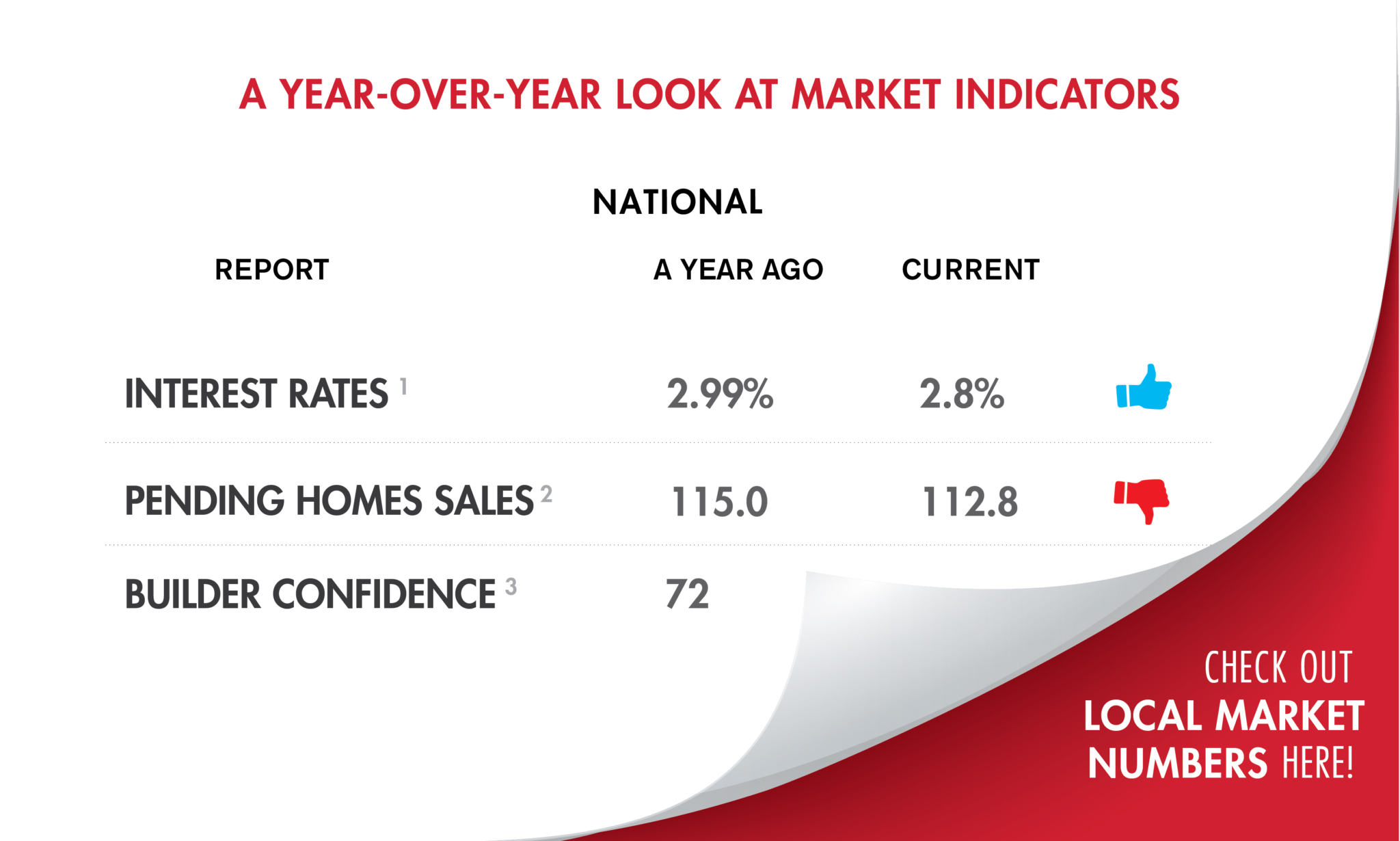
Meanwhile, pending home sales and housing starts dropped from a year ago, according to Boston Agent’s July Housing Scorecard.

The boost in market activity and prices continues to be driven by millennial buyer demand, the search for more living space, a healthier job market and lower mortgage rates.

Affordability declined in 49 of the 50 major markets according to the May 2021 First American Real House Price Index.

The nationwide housing inventory shortage that has driven growth in prices and demand in Boston and other major markets may be beginning to ease in other parts of the country, but not in Boston, according to RE/MAX’s National Housing Report for June.

Increased homebuyer demand and limited inventory continue to drive prices to record highs throughout the Bay State, and the Boston area is no exception.

With the increased number of professionals working remotely, today’s homebuyers are putting less of a premium on commute time and more on affordability.

The U.S. Census Bureau and the Department of Housing and Urban Development reported that the median sales price slid to $361,800 from $380,700 in May.

Cape Cod real estate listings were at their lowest level in 18 years in June, according to the Cape Cod & Islands Association of Realtors.

At the same time, the median existing-home price for all housing types in May was up 23.4% on an annual basis, as every region in the country registered price increases.

The Warren Group CEO Tim Warren says median sales prices will likely continue to break records this summer and fall.

Meanwhile, the seasonally adjusted purchase index declined 6% from the previous week, the Mortgage Bankers Association reported.
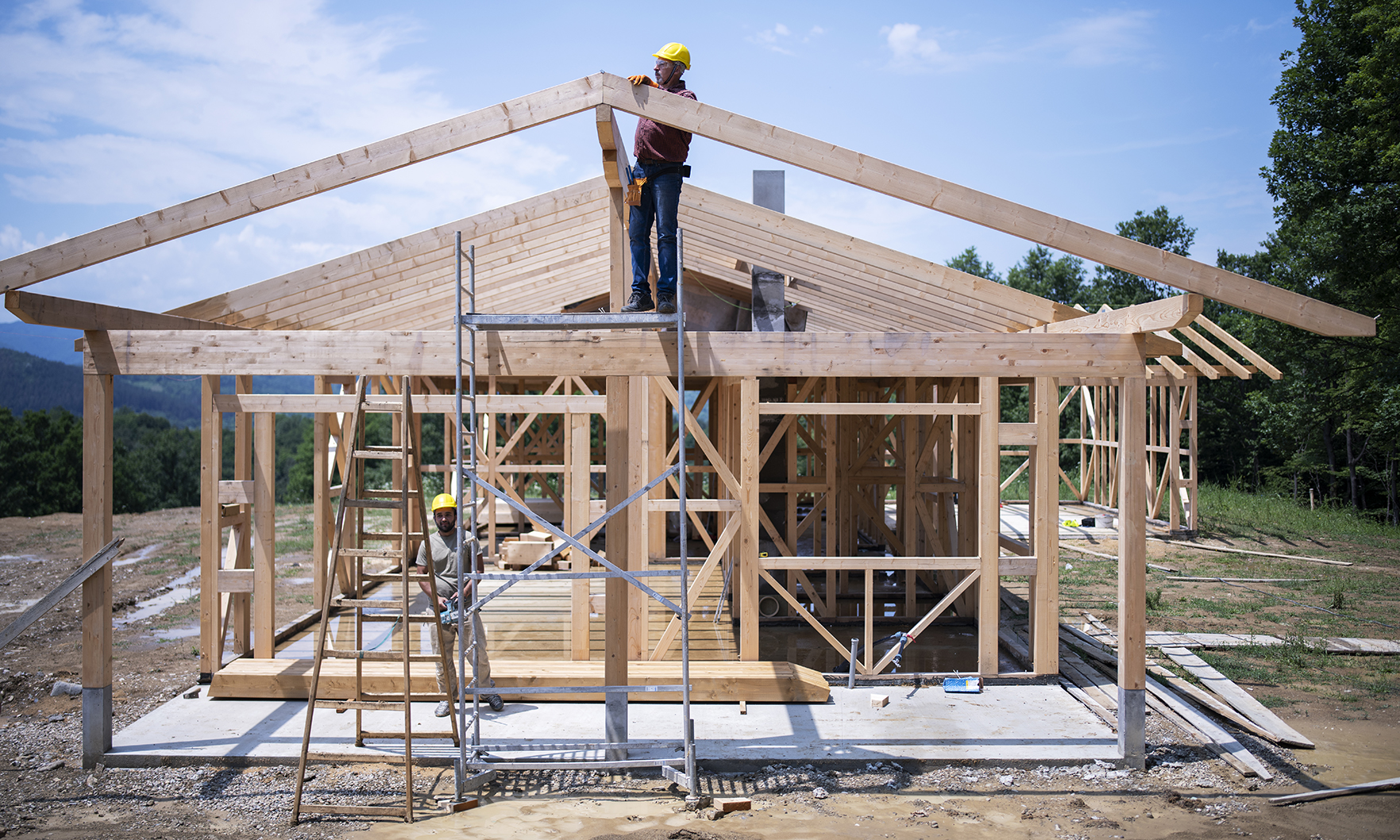
Privately owned housing units authorized by building permits in June came in at a seasonally adjusted annual rate of
1,598,000, down 5.1 % from the revised May rate of 1,683,000, but 23.3% above the year-ago rate of 1,296,000.