
By the Numbers

The organization interviewed 600 Greater Boston residents between the ages of 20 to 30, finding that over a quarter were planning an exit — a result they call “distressing.”
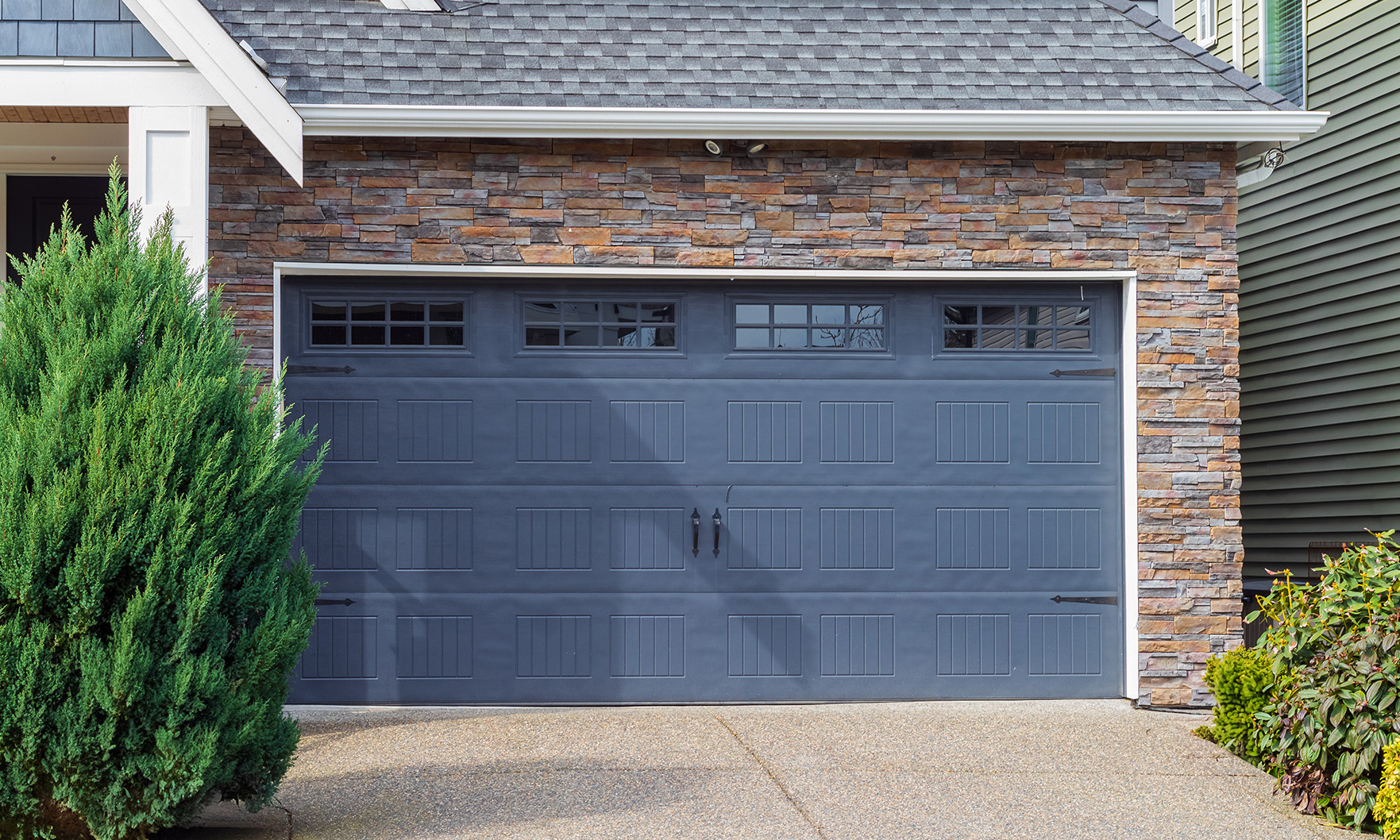
The median sales price for a Boston home jumped from $2,730,000 to $3,150,000 with a simple addition: a garage.
Nationally, home sales in the 50 metro areas surveyed by REMAX posted their largest monthly gain in three years, increasing 31.6%.
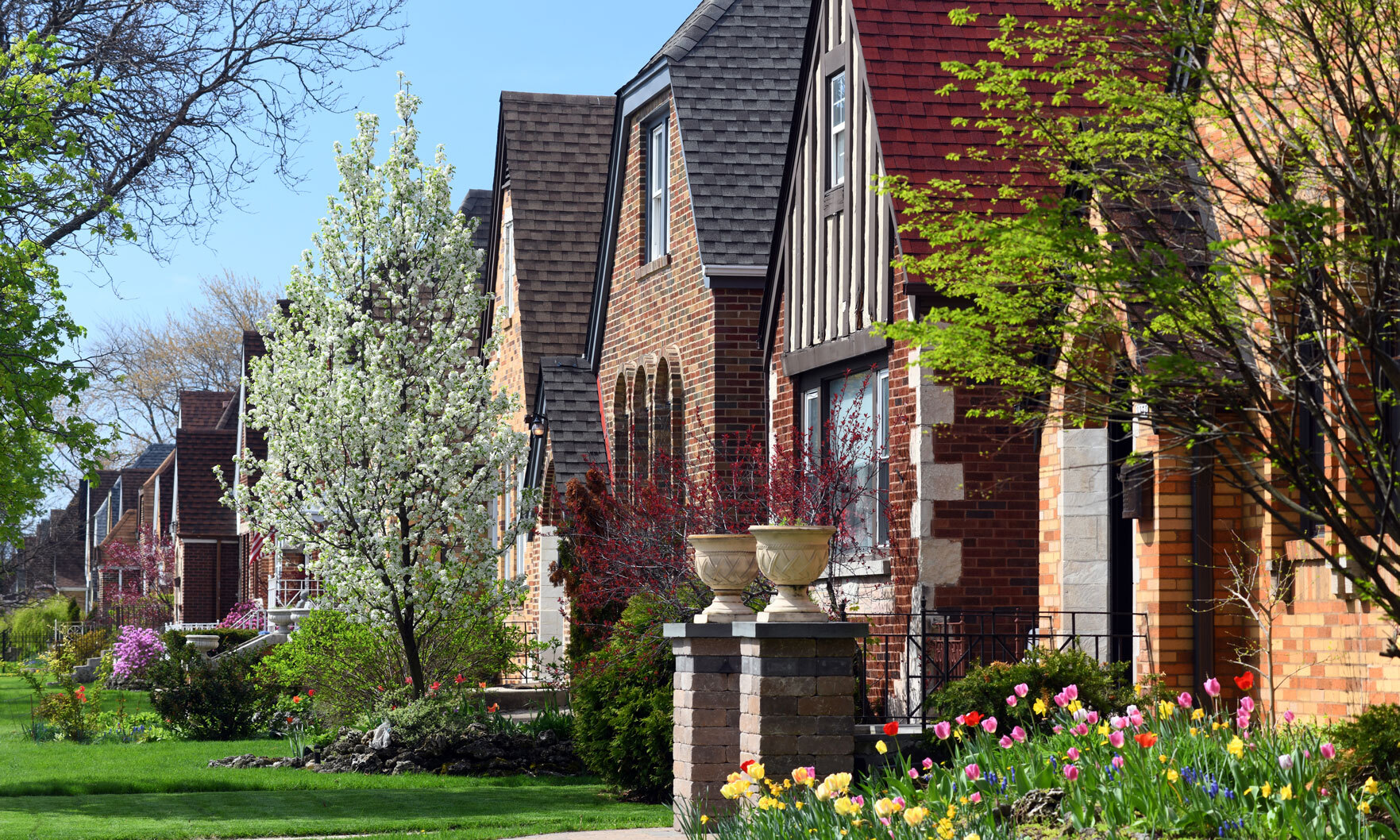
The 2026 spring housing market is neither surging nor stalled, but moving forward as both buyers and sellers adjust their expectations.
S&P Dow Jones Indices noted that inflation outpaced national home-price appreciation for the ninth month in a row.
CCIAOR noted high demand for homes priced below $1 million. Listings priced below $999,999 averaged just 34.4 median days on market.

That timeline is typical for a family saving 15% of their income, assuming a 15% down payment.

Massachusetts ranked No. 3 for states where residents spend the most on housing, and the average resident forks over around 34% of income on housing-related costs.

Boomers made up 42% of all homebuyers during the period from July 2024 to June 2025, unchanged from the same time a year prior. Millennials lost market share, making up 26% of buyers, down 3% year over year.
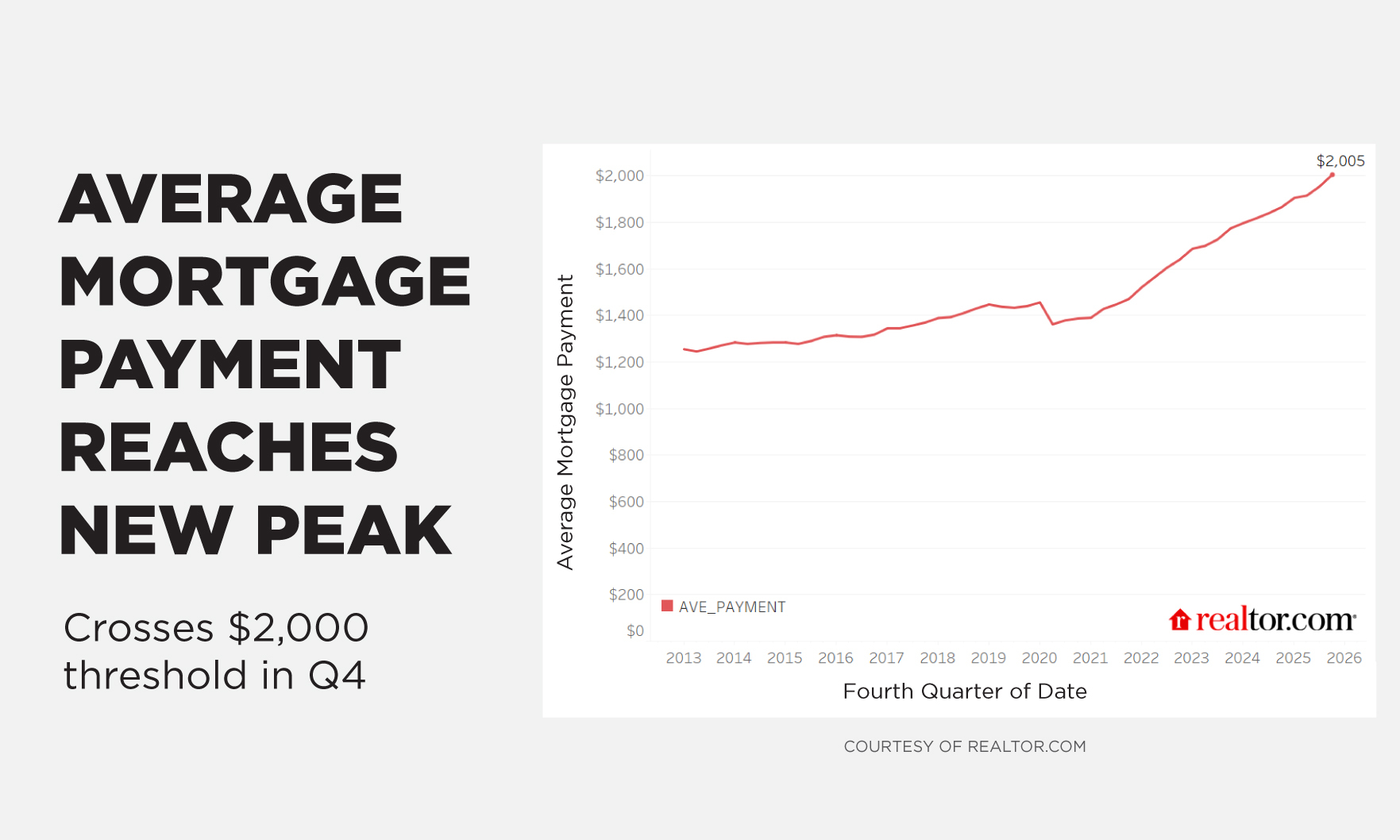
The average monthly payment on an outstanding home loan reached $2,005 in the fourth quarter of 2025, according to Realtor.com’s latest data based on FHFA figures.
S&P Dow Jones Indices noted that inflation outpaced national home-price appreciation for the eighth month in a row.
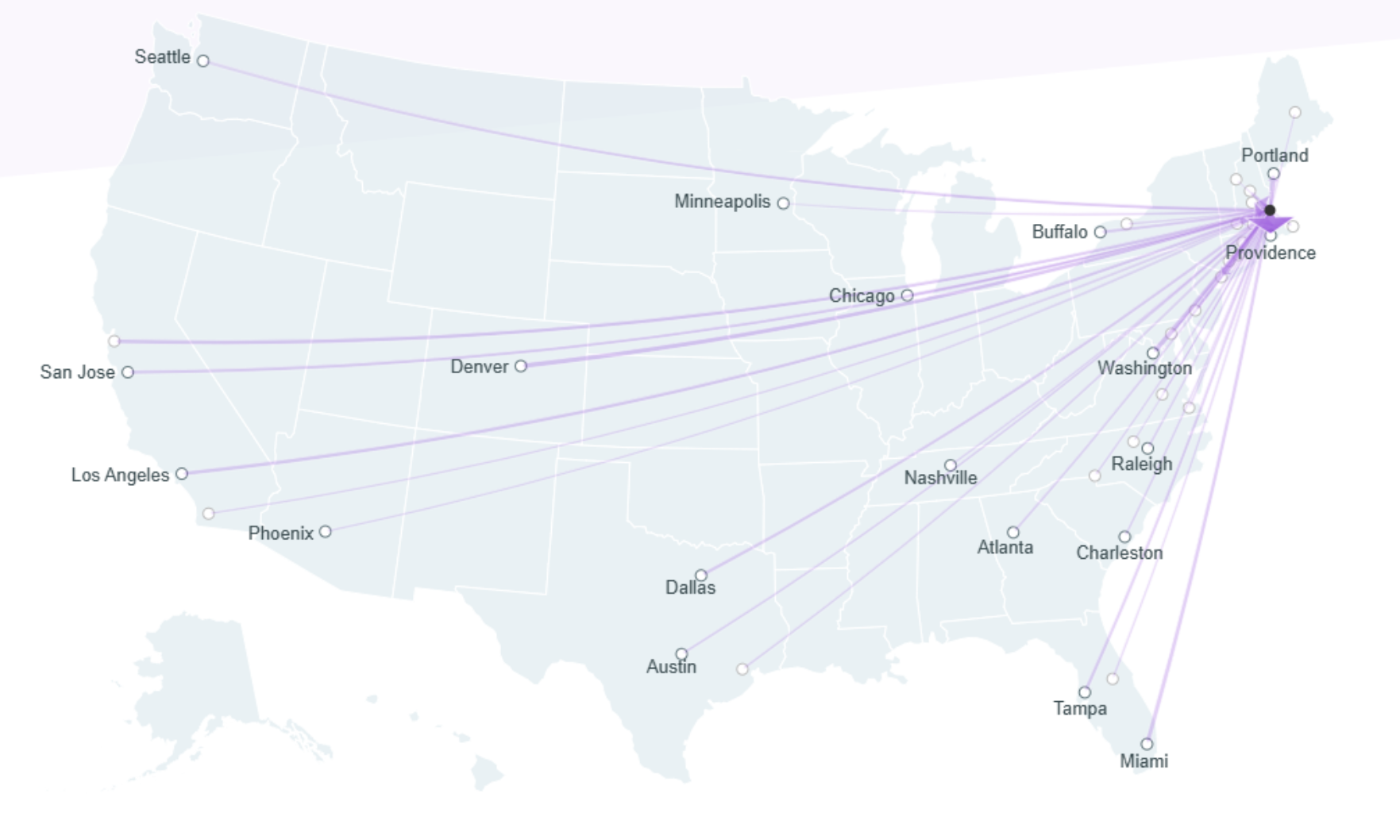
Around 37% of registered Boston-based users searched for an apartment outside the city in 2025. Several markets caught the attention of these prospective movers.
Nationally, home sales in the 51 metro areas surveyed by REMAX declined 3.2% year over year and rose 11.1% month over month.

With monthly rents varying by up to $3,000 for the same sized rental home in different Massachusetts cities, location is everything in the Commonwealth.

Though the most lucrative week to list varies by city and region, spring is undoubtedly the smartest season to list.
Regionally, pending sales rose in the Midwest, South and West, and declined in the Northeast on a month-over-month basis.