
Current Market Data
December housing sales fell lower than they have since the start of the pandemic, a new Redfin report found.
“While lean existing home inventory and solid buyer demand are supporting the need for new construction, the combination of ongoing increases for building materials, worsening skilled labor shortages and higher mortgage rates point to declines for housing affordability in 2022.” — NAHB Chairman Chuck Fowke
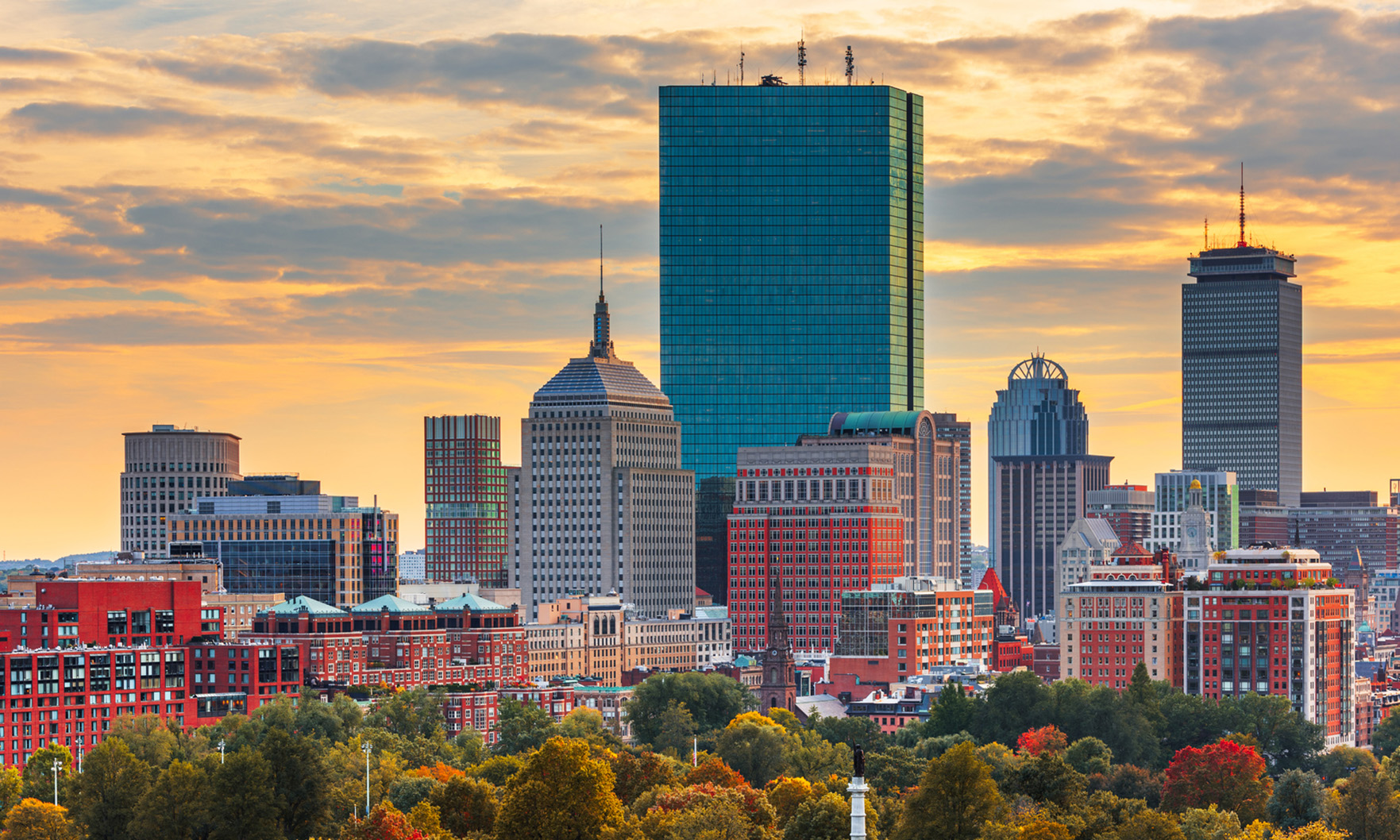
The cost of living has risen across the nation, but some U.S. metros have experienced particularly significant increases.

“MBA expects solid growth in purchase activity this year, as demographic drivers and the strong economy support housing demand,. However, the strength in growth will be dependent on housing inventory growing more rapidly to meet demand.” — Mortgage Bankers Association associate vice president of economic and industry forecasting Joel Kan
Despite the record low number of homes for sale, prices and pending sales continue to rise.
Housing prices continue to exacerbate ongoing affordability challenges, as home appreciation continued to accelerate in November.

United Van Lines 45th Annual National Movers Study found the reasons behind the moves are pandemic-driven as people look to relocate to lower density areas and closer to family.

At the same time, the average 30-year fixed-rate mortgage rose to 3.33%, its highest level since April 2021, the Mortgage Bankers Association said.
Stacker compiled the list of the most expensive homes in the Boston-Cambridge-Newton area using Zillow’s Home Values Index as of November 2021.
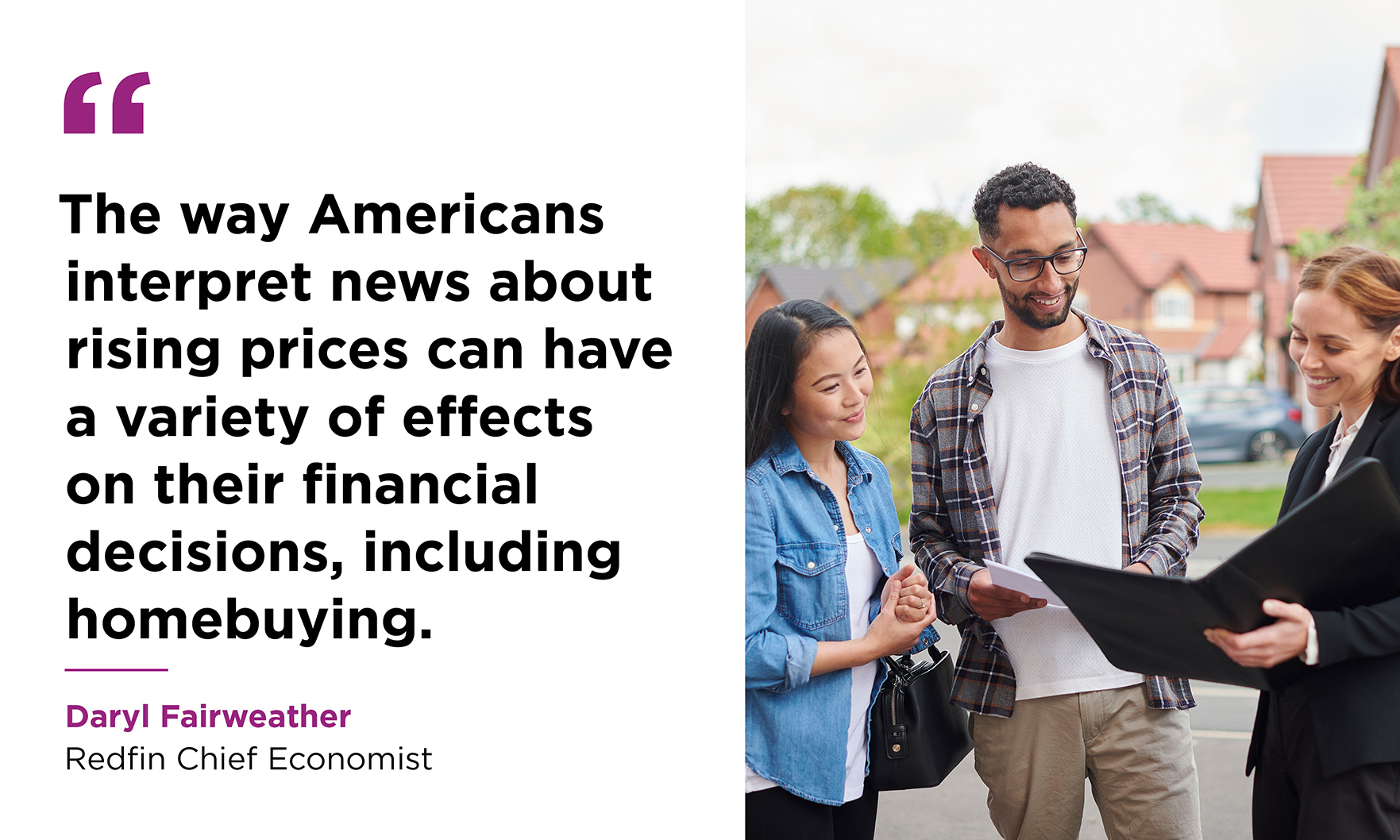
Inflation concerns are influencing plans for homebuyers and sellers, according to a recent Redfin survey.
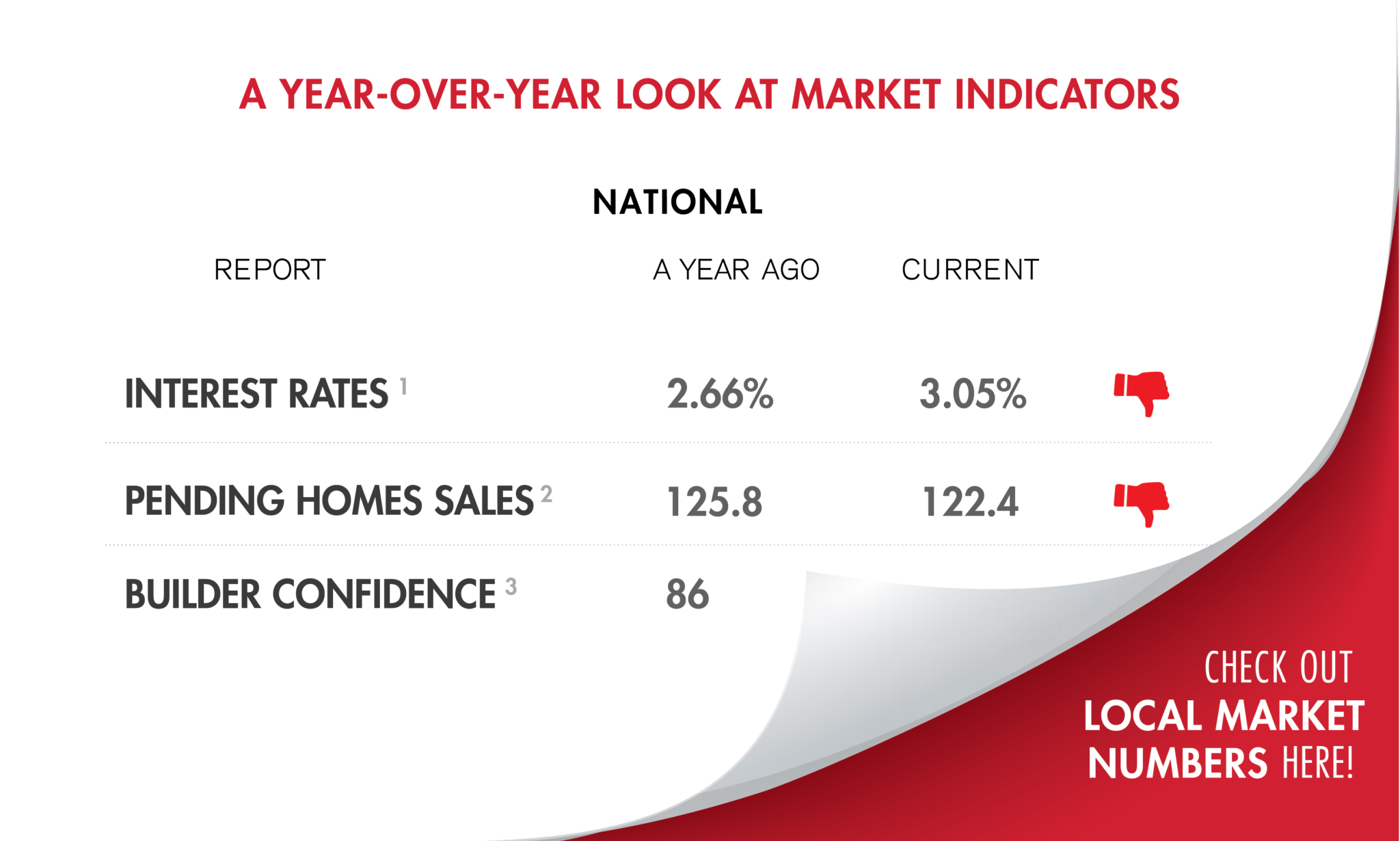
Nationally, interest rates rose as builder confidence fell.
Housing affordability fell to its lowest level since 2008 in October as home prices rose 19.6% from last year.
Nationally, housing prices were also on the rise, according to the S&P CoreLogic Case-Shiller U.S. National Home Price NSA Index.

Boston ranked third among large U.S. cities for the highest median one-bedroom monthly rent at $2,550 in December.
“There was less pending home sales action this time around, which I would ascribe to low housing supply, but also to buyers being hesitant about home prices,” National Association of REALTORS® chief economist Lawrence Yun said.
“Fewer homes are selling because of a lack of supply, while demand remains strong.” — Redfin chief economist Daryl Fairweather