
Current Market Data
The surge comes as the rate on a 30-year fixed-rate mortgage fell to its lowest level since October 2024.
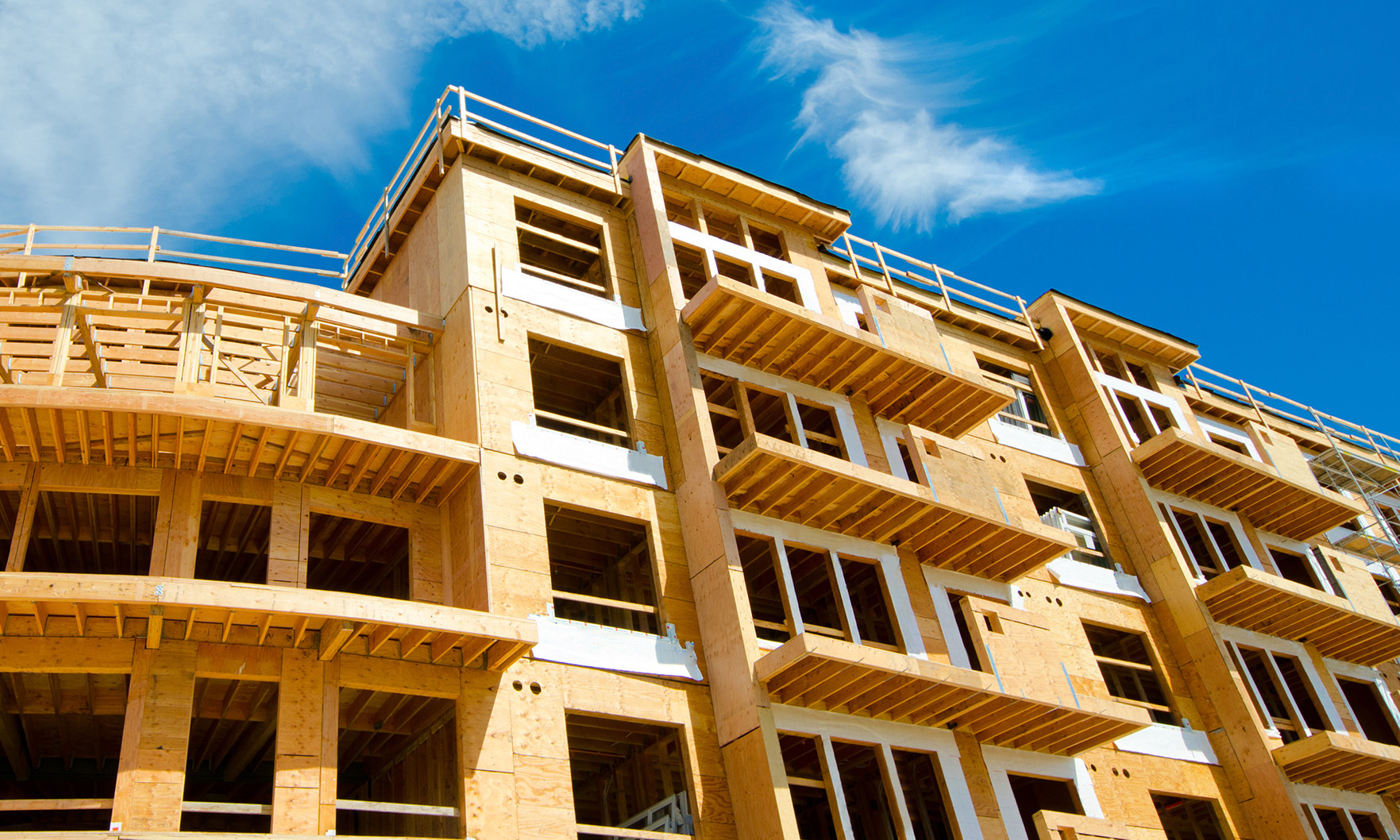
Boston ranks 16th among the 20 most populous U.S metros for new apartment construction.
The rate of home-price appreciation slowed to just over half the rate of inflation in July, Cotality noted.

Despite the decrease in borrowing costs, the Mortgage Bankers Association’s Market Composite Index showed a decrease in mortgage applications in the week ended Aug. 29.

Nationwide, survey respondents good cited weather, low crime and affordability as the most desirable qualities for a city to have.
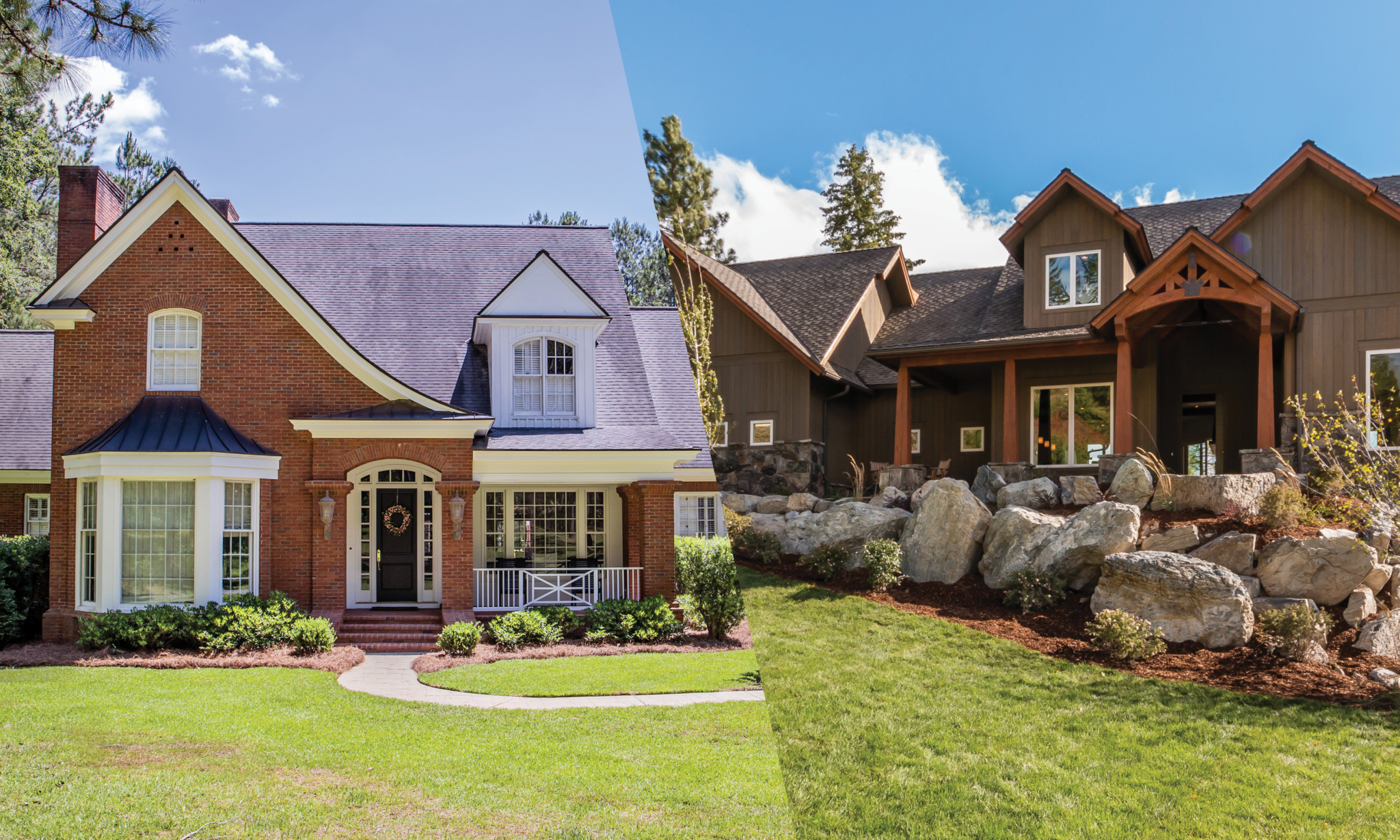
Despite a slowdown in single-family construction activity, newly built homes are becoming increasingly accessible to American buyers, in terms of both availability and affordability. According to data from the New-Construction Insights report released by Realtor.com, in the second quarter
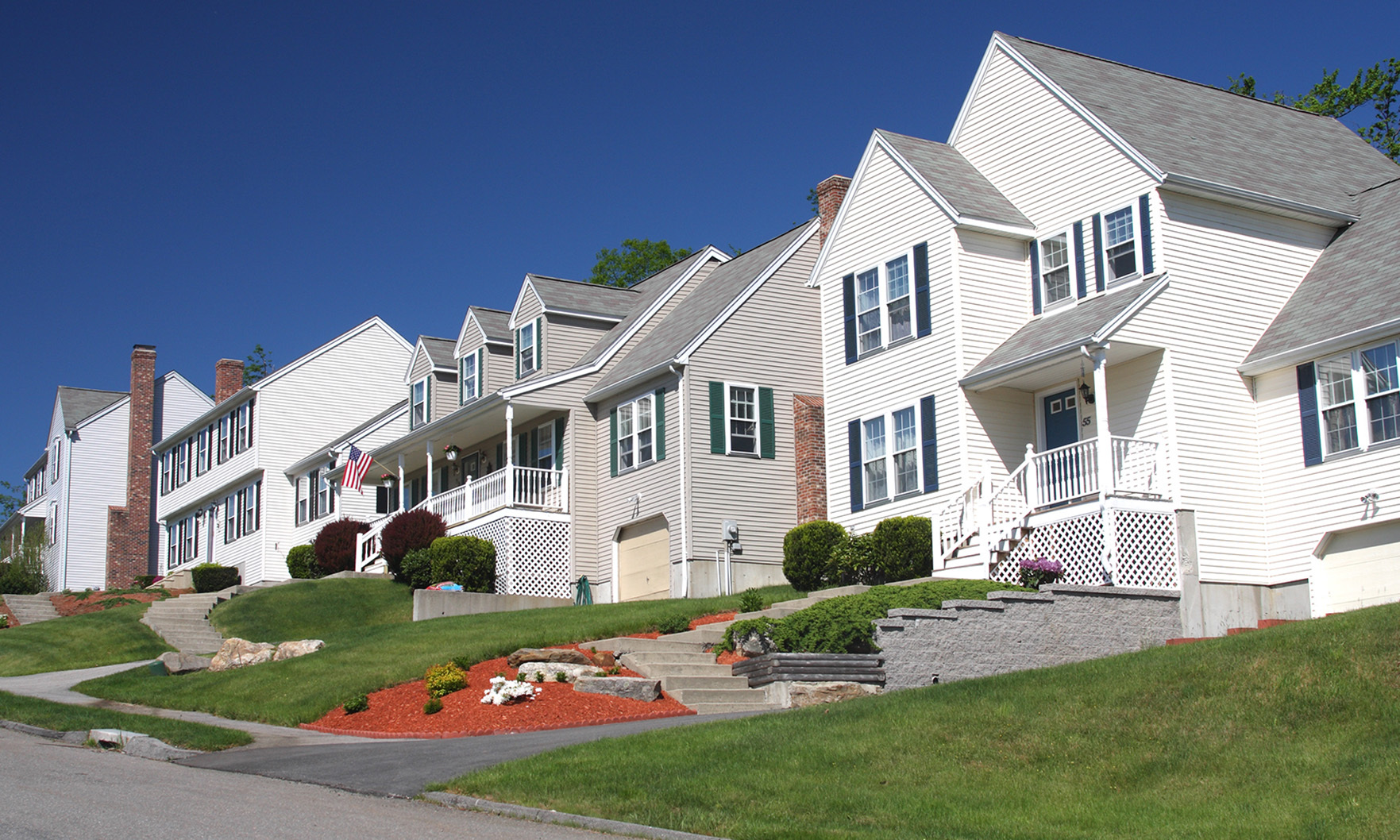
In July, 1,310 Boston homes for sale were affordable to median-income households. That marks an 11.4% yearly increase, but a 36.3% decrease from July 2020.

Signed contracts declined despite lower interest rates and improved affordability and inventory, the National Association of REALTORS® said.
The pace of home-price appreciation declined to its slowest pace in two years, according to the S&P Cotality Case-Shiller U.S. National Home Price Index.

A July inventory boost, coupled with cooling prices and choosier buyers, may signal stability for the Cape Cod real estate market, according to preliminary data released by the Cape Cod and Islands Association of REALTORS® (CCIAOR).

The upside surprise came despite monthly and yearly declines in the pace of sales.

Lynn took second place, behind Manchester, New Hampshire. Homes in the Boston suburb typically entered pending just ten days after listing, according to Zillow.
Nationally, home sales rose 0.6% year over year but slid 0.7% month over month, RE/MAX said.
The association said the housing market is making a definitive swing back in the direction of the buyer thanks to wage growth, slowing home-price gains and rising inventory.
Home sales saw a 2% yearly boost and new listings increased 4.8% year over year to 1,068. Homes stayed on the market for a median of 22 days, a 15.8% annual increase.
The single-family sector managed to eke out a slight monthly gain, according to the U.S. Census Bureau and the U.S. Department of Housing and Urban Development.